How a DOL Clinic Supports Federal Injury Recovery In Manhattan
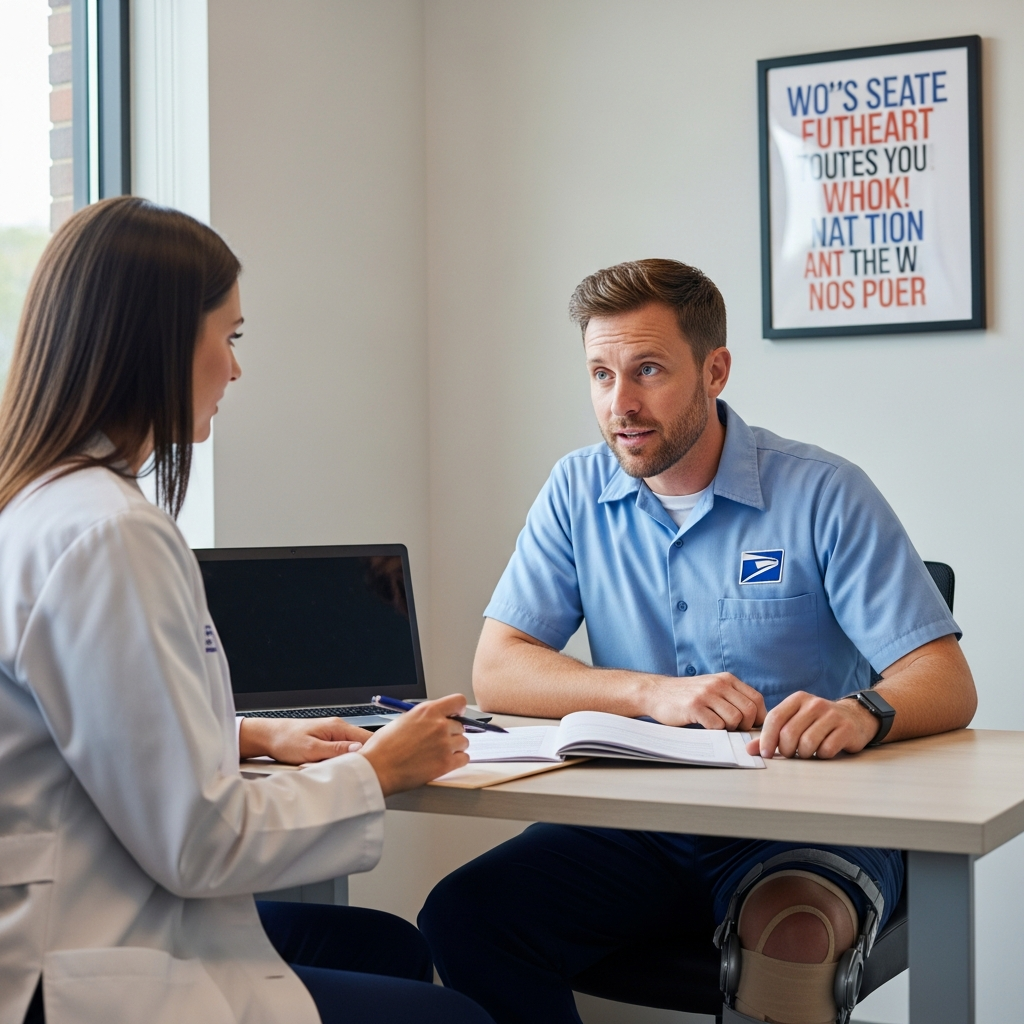
Picture this: You’re a federal employee working in one of Manhattan’s busy postal facilities, a federal courthouse, or maybe a VA hospital. It’s a Tuesday – just another Tuesday – and then something goes wrong. A slip on a wet floor. A box that was heavier than expected. A repetitive strain that finally reaches its breaking point after months of ignoring that dull ache in your shoulder.
Suddenly, you’re not just hurt. You’re lost.
Because here’s what nobody tells federal employees when they get injured on the job – the system you’re navigating isn’t your typical workers’ comp process. It’s the Department of Labor’s Office of Workers’ Compensation Programs, better known as OWCP, and it operates by its own rules, its own forms, its own rhythms. And if you’ve never dealt with it before? It can feel like trying to read a map written in a language you almost speak but not quite.
We talk to people in this situation all the time, and the frustration is almost always the same. They’re dealing with real pain – physical pain – while simultaneously drowning in paperwork, trying to figure out which doctors they’re even allowed to see, wondering whether they filled out the right form or missed a critical deadline that could jeopardize everything they’re entitled to. It’s a lot. And Manhattan doesn’t exactly slow down to let you catch your breath while you sort through it.
That’s where a DOL clinic comes in. Not as some bureaucratic checkbox, but as an actual lifeline.
What Most Injured Federal Workers Don’t Realize
Here’s something that catches a lot of people off guard: not every doctor can treat you under the federal workers’ compensation system. OWCP has specific requirements, specific billing codes, specific documentation standards that your regular family physician or urgent care center probably doesn’t know the first thing about. You could see a perfectly competent doctor and still have your claim complicated – or denied – simply because the medical documentation wasn’t structured the way OWCP expects it.
A DOL clinic – a medical practice that specifically works within the Department of Labor’s framework – understands all of that before you even walk through the door. The paperwork is familiar territory. The forms are second nature. The process of building a medical record that actually supports your claim? That’s what they do, day in and day out.
For federal workers in Manhattan, this matters enormously. You’re in one of the busiest cities in the world, with no shortage of medical options… but having options and having the *right* option are two very different things when your financial stability and your health are both on the line.
Why Manhattan Federal Employees Face Unique Challenges
Think about the sheer variety of federal jobs in this city. Postal workers covering routes in every borough. TSA officers at JFK and LaGuardia. IRS employees, DEA agents, Social Security Administration staff, park rangers in Gateway National Recreation Area. The injuries vary wildly – back injuries, repetitive motion issues, traumatic incidents, respiratory conditions, psychological trauma. And every single one of those workers deserves proper care that actually connects to their federal benefits.
The clock also doesn’t stop ticking just because you’re overwhelmed. OWCP claims have timelines. Medical evidence needs to be submitted. Treatment plans need to be established. The longer someone waits to get into a clinic that truly understands the system, the more complicated their situation can become – not because the injury is worse, but because the paperwork trail has gone cold.
That’s not meant to scare you. It’s just… real. And you deserve real information.
Here’s What We’re Going to Walk You Through
In this article, you’ll get a genuine, plain-language breakdown of how a DOL clinic in Manhattan actually supports your recovery – not just medically, but practically. We’ll talk about what these clinics do differently, how they communicate with OWCP on your behalf, what the treatment process looks like, and how to find the right fit for your specific situation.
Whether you’re newly injured and trying to figure out your first steps, or you’re somewhere in the middle of a claim that’s gotten complicated, there’s something here for you. Because you’ve already dealt with enough. Understanding your options shouldn’t have to be another obstacle.
What “DOL Clinic” Actually Means (And Why the Name Trips People Up)
Let’s clear something up right away, because this confuses a lot of people – and honestly, it’s not your fault. DOL stands for the Department of Labor, which is the federal agency that oversees workers’ compensation benefits for federal employees. Not state employees. Not private sector workers. Federal employees specifically. So when someone mentions a “DOL clinic,” they mean a medical facility that’s authorized to treat patients under the Federal Employees’ Compensation Act – FECA for short.
FECA is essentially the federal government’s version of workers’ comp. Same basic idea, very different rulebook.
Here’s where it gets a little counterintuitive. Most people assume that if you’re hurt on the job, you just… go to your regular doctor. File some paperwork. Done. For federal employees in Manhattan, it’s actually more structured than that. The Office of Workers’ Compensation Programs – that’s OWCP, the branch of the DOL that actually manages these claims – has specific requirements about how treatment gets authorized, documented, and billed. A clinic that understands this system is genuinely a different experience than one that doesn’t.
The Federal Workers’ Comp System vs. Everything Else
Think of it like this. State workers’ comp is like driving in your home city – you know the roads, the shortcuts, which lanes to avoid. Federal workers’ comp is like suddenly navigating a completely different city with a different grid system, different traffic laws, and signs that look familiar but mean slightly different things.
A postal worker injured on a Manhattan route, a TSA agent hurt at JFK, a federal courthouse employee who slipped on wet stairs – these individuals all fall under FECA, not New York State workers’ compensation. The distinction matters enormously because the wrong clinic can create billing nightmares, documentation gaps, and delays that genuinely affect your recovery and your benefits.
OWCP has its own billing codes, its own forms (the CA-1 for traumatic injuries, the CA-2 for occupational diseases – yes, there are different forms for different types of injuries), and its own authorization process for treatment. A clinic that’s unfamiliar with all of this? They’re essentially trying to drive in that unfamiliar city without a map.
Why the Treating Physician’s Role Is So Central
Here’s something that surprises a lot of federal employees: the treating physician in a FECA case carries significant weight. Not just medically, but administratively. The medical reports they write – the ones documenting your diagnosis, your work-relatedness, your functional limitations – those reports become part of the official record that OWCP uses to make decisions about your claim.
Vague documentation can mean delayed benefits. Incomplete causal narratives can mean disputed claims. It’s not that doctors are doing anything wrong, it’s just that FECA documentation has a very specific language and structure that takes experience to learn. Actually, that reminds me of something a colleague once said – “OWCP doesn’t reject treatments, it rejects paperwork.” Blunt, but there’s real truth in it.
A DOL clinic in Manhattan should have providers who understand how to write medical narratives that speak directly to OWCP’s requirements. That’s not about gaming the system – it’s about making sure your legitimate injury gets the legitimate attention it deserves.
The Geography Factor – Manhattan Specifically
Manhattan has a significant concentration of federal workers. You’ve got Social Security Administration offices, IRS facilities, federal courts, USPS distribution centers, military recruitment offices, border and immigration facilities… the list goes on. Which means the demand for OWCP-savvy care in this particular borough is real and ongoing.
The challenge is that not every clinic advertising “workers’ comp” in the city is equipped for federal cases. New York has robust state workers’ comp infrastructure – plenty of providers are excellent at navigating that system. But FECA is a narrower lane, and finding a clinic that actually knows the difference matters when you’re the one waiting on a benefits determination.
It’s also worth noting that geography affects more than just clinic availability. Your federal agency’s district office, the OWCP district office handling your case, and your treating facility all need to communicate effectively. In a city as layered as Manhattan, having a clinic that’s done this before – that knows the local OWCP processes and timelines – can make a surprisingly big difference in how smoothly things move.
What to Actually Bring to Your First DOL Appointment
Here’s something most people don’t find out until they’re sitting in the waiting room, scrambling through their bag – documentation is everything with federal workers’ comp cases. Don’t just bring your injury report. Bring all of it. Your CA-1 or CA-2 form, any correspondence from OWCP, prescription records, prior imaging if you have it, and honestly? Even those handwritten notes you jotted down the night of the incident. Details that feel minor to you might be exactly what a provider needs to paint a complete clinical picture for the Department of Labor.
Also bring your work schedule or a record of the shifts you’ve missed. Wage loss claims live and die on documentation, and a good DOL clinic in Manhattan will want to understand the full impact on your employment – not just your shoulder or your back.
Stop Treating OWCP Deadlines Like Suggestions
This is the part where I’m going to be your slightly bossy friend for a second. Federal injury claims have strict timelines, and missing them can seriously jeopardize your coverage. The CA-1 form for traumatic injuries? That needs to be filed within 30 days of the incident for certain benefits. Your treating provider has deadlines too – specific forms like the CA-17 duty status report need to be updated regularly to keep your claim moving.
A clinic that specializes in DOL cases will track these dates for you, but you should still keep your own calendar. Take photos of forms you submit. Note the date you drop things in the mail. It sounds paranoid, but federal bureaucracy is… well, it’s federal bureaucracy. You want receipts.
Ask Specifically About Work Status Reports
This one’s a game-changer that most injured federal workers don’t know to ask about. The CA-17 form – sometimes called the duty status report – is what determines whether you can return to work, in what capacity, and what restrictions you have. A skilled DOL clinic physician won’t just check boxes on this form. They’ll document your functional limitations with precision, because vague language like “light duty” without specifics gives your employing agency wiggle room to push you back into situations that could re-injure you.
Ask your provider directly: “How are you documenting my restrictions on the CA-17?” If they can walk you through it clearly, that’s a good sign. If they seem unfamiliar with the form altogether – that’s your cue to find a clinic that handles DOL cases regularly.
Don’t Skip the Vocational Rehabilitation Conversation
If your injury is keeping you out of your specific federal position for an extended period, vocational rehabilitation services may be available through OWCP. A lot of patients don’t bring this up because they assume someone will eventually mention it to them. Sometimes that happens. Sometimes it doesn’t.
Manhattan has federal employees across the postal service, Homeland Security, VA facilities, transit agencies, and beyond – and the physical demands of those jobs vary enormously. A good DOL clinic will understand that a letter carrier’s recovery looks completely different from a desk-based federal investigator’s. Bring up your specific job duties early and often. The more your provider understands what “going back to work” actually means for your body, the more useful their documentation becomes.
Keep the Lines of Communication Open With OWCP
This sounds obvious, but it gets complicated fast. OWCP will sometimes send requests for additional information, schedule independent medical examinations, or request narrative reports from your treating physician. If those requests get buried in a spam folder or sit unopened for two weeks… that’s a problem.
Set up a dedicated email folder for OWCP correspondence. If you’re assigned a claims examiner, save their contact information somewhere you’ll actually find it. And let your DOL clinic know immediately when you receive any new communication from OWCP – because they may need to respond with clinical documentation on a tight timeline.
Finding the Right Clinic Matters More Than You Think
Not every medical office in Manhattan that accepts workers’ comp cases has deep familiarity with federal workers’ comp – and that distinction is real. OWCP billing codes, documentation requirements, and return-to-work protocols are genuinely different from state workers’ comp systems. Before you commit to a provider, it’s worth asking directly: how many active OWCP cases do you manage? The answer will tell you a lot.
When the Paperwork Feels Like a Second Job
Let’s be honest – federal workers’ comp paperwork is genuinely terrible. The OWCP forms are dense, the deadlines are unforgiving, and one small mistake (a wrong date, a missing signature, a form submitted to the wrong address) can delay your claim by weeks or even months. We see this trip people up constantly.
The solution isn’t to just “stay organized.” That’s not helpful. What actually works is treating your documentation like a medical record in itself – date everything, keep copies of every single thing you send or receive, and write down every phone call including who you spoke to and what they said. Your DOL clinic should be helping you with this. If your provider isn’t flagging which forms need their signature and when, ask them directly. You shouldn’t be figuring this out alone at midnight.
The Gap Between Getting Hurt and Getting Approved
Here’s something nobody warns you about: there’s often a real window of time between when your injury happens and when your claim gets approved – and that window can be financially brutal. Your bills don’t pause. Your pain doesn’t pause. Life keeps moving.
What helps is understanding that treatment can often begin before full approval, especially when your clinic is experienced with OWCP billing protocols. A DOL-familiar provider knows how to code visits correctly from day one, which keeps things moving through the system rather than getting kicked back. Ask upfront – specifically – how your clinic handles billing during the pending period. It’s an awkward conversation, but it’s the right one to have.
When Your Employer Pushes Back
This one’s uncomfortable to talk about, but it’s real. Some federal employees face pressure – subtle or not so subtle – to downplay their injury, return to work too soon, or avoid “making a fuss.” Supervisors aren’t always villains here, but institutional pressure is a thing. And it can make injured workers second-guess their own experience.
Here’s what’s true: you have a legal right to medical treatment for a work-related injury. Full stop. A good DOL clinic will document your functional limitations thoroughly and objectively – not to help you game a system, but because accurate documentation protects you. When your medical record clearly shows what you can and cannot do, it’s much harder for anyone to pressure you into something that could reinjure you or worsen your condition.
The Mental Health Piece Nobody Talks About Enough
Chronic pain after a federal workplace injury does something to a person. It’s not just physical. The frustration of a stalled claim, the identity shift of not being able to do your job, the isolation… it compounds. Actually, this might be one of the most underaddressed parts of the whole recovery process.
The practical piece here is making sure psychological support – whether that’s formal mental health treatment or pain psychology – is documented as part of your care plan when it’s warranted. OWCP does cover mental health treatment related to physical injuries in many cases. Your clinic should be connecting these dots. If they’re not, bring it up yourself. It’s not weakness to acknowledge that this process is hard on your head as much as your body.
Navigating Return-to-Work Pressure (The Right Way)
Return-to-work conversations can feel loaded. There’s often an assumption that “getting back” is the finish line, but returning too early – or to a role that doesn’t accommodate your restrictions – can undo months of progress. We’ve seen it happen.
What works is having your provider create clear, specific work restriction documentation. Not vague notes like “light duty.” Actual specifics – how long you can sit, how much you can lift, whether you can climb stairs. The more precise the language, the harder it is for those restrictions to get quietly ignored. And if modified duty isn’t truly available in your workplace? That matters for your claim. Document that too.
When You Feel Like You’re Getting Nowhere
Sometimes the system just… stalls. Claims sit in review. Phone calls go unreturned. It feels like shouting into a void.
The most useful thing you can do – beyond staying persistent – is to make sure your medical provider is submitting supporting medical documentation proactively, not just responding to requests. A DOL clinic that anticipates what the OWCP needs next keeps your claim moving in a way that waiting around simply doesn’t.
What to Expect When You Start Treatment
Let’s be honest about something that most clinics won’t tell you upfront: federal injury recovery is rarely fast. If you came in hoping someone would fix everything in a few visits, that’s understandable – we’ve all seen ads promising dramatic results in record time. But the truth is a little more complicated, and you deserve straight talk about what’s actually ahead.
Most patients start noticing *some* improvement within the first few weeks. That might be reduced swelling, a bit more range of motion, slightly better sleep because the pain isn’t waking you up at 3am. Small things, but real things. Don’t dismiss those early wins – they matter, and they’re a sign the process is working. Big, meaningful functional improvement, though? That typically takes months. Not weeks. Months.
This isn’t pessimism. It’s just how the human body works.
The First Few Appointments Are Different
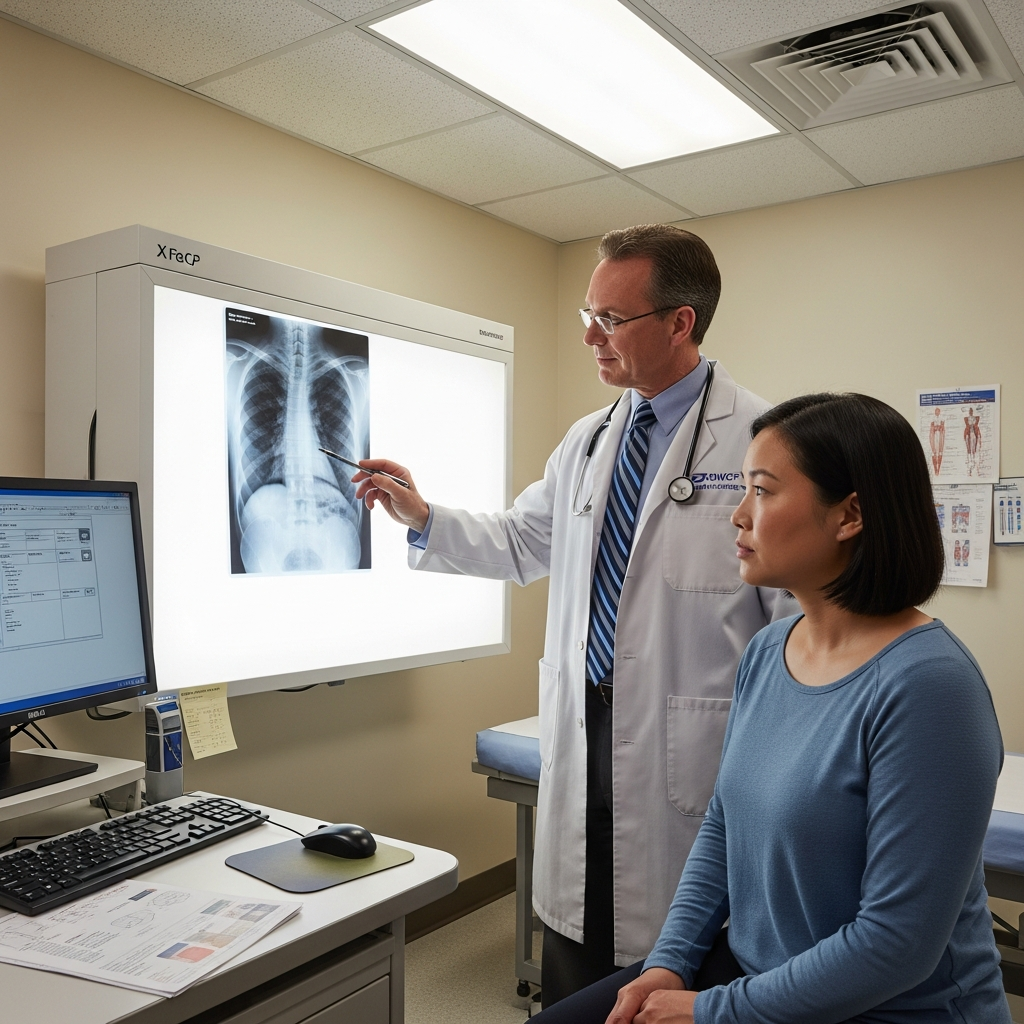
Your initial visits at a DOL clinic look different from what comes later. There’s a lot of documentation happening – and yes, we know that can feel tedious when you’re in pain and just want treatment. But this paperwork isn’t bureaucratic busywork. The detailed intake records, functional assessments, and objective measurements your provider collects in those early sessions become the foundation of your entire claim. They’re essentially building the paper trail that proves your injury is real, that it’s work-related, and that it’s improving (or not improving) with treatment.
Expect those first appointments to run a little longer. Ask questions. If something isn’t clear about your treatment plan or why a particular therapy is being used, say so.
Progress Is Not a Straight Line
This is probably the most important thing to understand – and the hardest to accept when you’re living it. You might have a really good week and think you’ve turned a corner, then wake up Monday feeling worse than you did a month ago. That’s not failure. That’s just how musculoskeletal and nerve injuries heal.
Flare-ups happen. Stress at home, a bad night’s sleep, even a weather change can affect your pain levels on any given day. A skilled provider will help you distinguish between normal fluctuation and something that actually needs reassessment. There’s a difference between “this is part of healing” and “we need to look at this more closely” – and knowing which is which is genuinely part of good clinical care.
Actually, that reminds me of something worth mentioning: don’t measure your progress only by pain levels. Functional milestones – being able to carry groceries, walk a full city block without stopping, get through a workday without needing to lie down – those matter just as much. Sometimes more.
Your Role in This Process
Treatment is collaborative. Your providers can apply the right therapies, document everything properly, and coordinate with the Department of Labor on your behalf, but recovery requires your participation too. Showing up to appointments consistently, doing any home exercises you’re given, communicating honestly about what’s helping and what isn’t – all of this moves the process forward.
Missing appointments is one of the most common ways federal injury cases get complicated. It creates gaps in the documentation, raises questions about whether the injury is as serious as reported, and can genuinely delay your benefits. Life in Manhattan is busy – we get it. But consistency here really does matter.
What “Next Steps” Actually Looks Like
Depending on your injury and how recovery progresses, your care team may coordinate additional referrals – to specialists, imaging facilities, or other providers – all while keeping the OWCP documentation thread intact. This coordination matters because fragmented care creates fragmented records, and fragmented records create problems with claims.
If you’re hoping to return to work at some point, that conversation should start early, not late. Modified duty, gradual return-to-work plans, functional capacity evaluations – these are things your DOL clinic can help facilitate and document properly.
And if things plateau, or if your condition turns out to be more complex than initially assessed, that’s not a dead end. It’s just the next phase of a process that – honestly? – sometimes takes longer than anyone wants. The goal isn’t a quick fix. It’s a real one.
Getting hurt on the job is disorienting in a way that goes beyond the physical pain. You’re suddenly navigating paperwork, phone calls, insurance processes, and medical appointments – all while your body is trying to heal. And if you’re a federal worker in Manhattan, that process has its own specific layers of complexity that most general practitioners simply aren’t set up to handle.
That’s what makes having the right clinical team in your corner so important. Not just a provider who can treat your injury, but one who genuinely understands the federal workers’ compensation system – the forms, the timelines, the documentation requirements that can make or break a claim. When your care and your paperwork are aligned, things move. When they’re not… well, you’ve probably already experienced what that feels like.
You Deserve Care That Actually Works With Your Situation
Federal employees are often surprised to discover that not every clinic is familiar with the DOL process. It’s not anyone’s fault – the system is genuinely different from standard workers’ comp, and it requires a specific kind of attention. Going to a provider who isn’t versed in OWCP protocols can slow down your claim, create documentation gaps, or leave you feeling like you’re doing all the work yourself while trying to recover.
That’s exhausting. And it’s unnecessary.
A clinic that specializes in this area takes that burden off your shoulders. Your treatment notes are written with the right language. Your work status updates happen on time. Your functional capacity gets properly documented. All the behind-the-scenes stuff that matters enormously to your claim – it gets handled.
Your Recovery Isn’t Just Physical
Here’s something worth sitting with for a moment. Recovering from a work injury isn’t just about getting your shoulder moving again, or managing the pain in your back. It’s about getting your life back – your routine, your sense of capability, your confidence that things are going to be okay. A good clinical team understands that. They’re not just looking at imaging results and filling out forms. They’re looking at *you* – where you are, what you need, what “better” actually looks like for your specific job and your specific life.
Federal workers in Manhattan are busy, often under-supported, and sometimes skeptical (understandably so) that the system will actually come through for them. If that’s where you are right now, that skepticism makes complete sense.
Taking the First Step Doesn’t Have to Be Overwhelming
If you’re dealing with a work-related injury and you’re not sure where to start – or maybe you’ve already started but things feel stalled – reaching out to a DOL-knowledgeable clinic is honestly one of the simplest, most clarifying things you can do. One conversation can tell you a lot about what your options are, what your rights are, and what kind of support is actually available to you.
You don’t have to have everything figured out before you call. You don’t need to know exactly what’s wrong or have your paperwork in order. That’s what the team is there for.
If you’re ready to talk to someone who gets it – who understands both your injury *and* the federal system surrounding it – we’d love to hear from you. Reach out whenever you’re ready. There’s no pressure, no complicated intake process. Just real support from people who’ve helped federal workers in Manhattan get back on their feet, and who are ready to help you do the same.