What OWCP Forms Are Required for Federal Injury Claims?
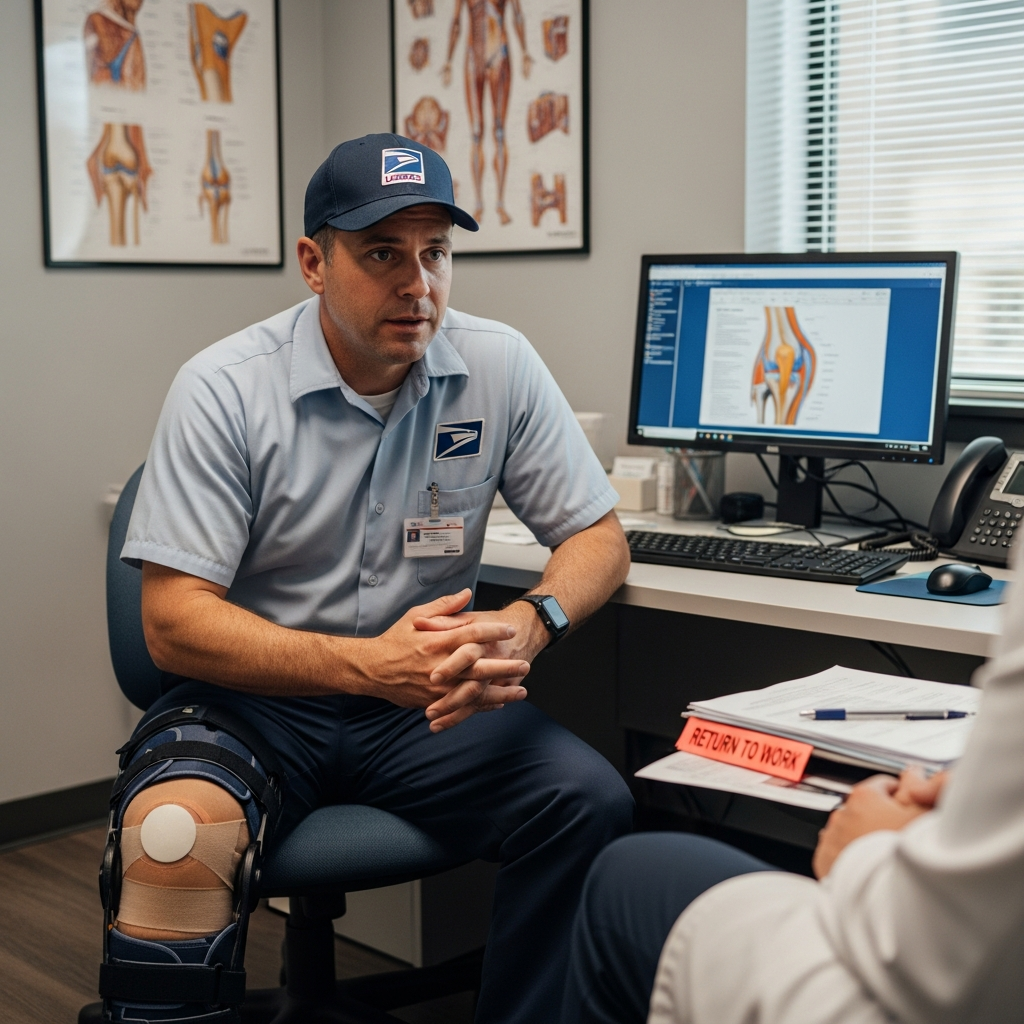
You’re rushing to catch the 7:45 train, juggling your coffee and briefcase, when it happens. That loose carpet tile in the federal building lobby catches your heel, and suddenly you’re sprawling across the marble floor with a twisted ankle that’s already starting to throb. Your first thought? “Great, just great.” Your second thought – once you’ve limped to your desk and reality sets in – is probably something like: “Wait… what exactly am I supposed to do now?”
If you’re a federal employee, that moment of clarity can feel overwhelming. Not because the injury itself is necessarily serious (though it might be), but because navigating the maze of federal workers’ compensation feels like trying to solve a Rubik’s cube while blindfolded. And honestly? The stakes feel pretty high when you’re dealing with your health, your paycheck, and your future all at once.
Here’s the thing that nobody tells you upfront – the Office of Workers’ Compensation Programs (OWCP) has very specific forms for very specific situations. Miss the right form or file the wrong one, and you might find yourself stuck in bureaucratic quicksand for months. It’s not that the system is designed to be difficult (well, maybe it is just a little), but federal injury claims require precision in a way that can make your head spin.
You know what makes this even more frustrating? Most federal employees have never dealt with a workplace injury before. Sure, you might have heard colleagues mention OWCP in passing, or maybe you’ve seen those posters in the break room that nobody really reads. But when you’re suddenly the one who needs to figure out which forms to fill out, when to submit them, and what happens if you mess up… well, that’s when those posters start looking pretty inadequate.
The truth is, federal workers’ compensation isn’t like the private sector system you might be familiar with from previous jobs. It’s its own beast entirely – with different rules, different timelines, and definitely different paperwork. And while HR might be helpful (emphasis on “might”), they’re often juggling dozens of other responsibilities and may not know the ins and outs of every OWCP scenario.
What really gets me is how the consequences of getting this wrong can ripple through your life. We’re talking about medical bills that might not get covered, lost wages that might not get reimbursed, and treatment approvals that could get delayed for weeks or months. When you’re already dealing with pain, stress, and the disruption of an injury, the last thing you need is to discover you’ve been filling out the wrong forms or missing critical deadlines.
But here’s what I want you to know – and this is important – once you understand the system, it actually makes sense. The forms exist for specific reasons, the process follows a logical flow (most of the time), and there are people whose job it is to help you navigate this. You just need to know what you’re looking for and when you need it.
In this guide, we’re going to walk through exactly which OWCP forms you’ll encounter in different situations. Not in some abstract, theoretical way, but in the real-world context of what actually happens when federal employees get injured. We’ll cover the initial injury report forms that you’ll need right away, the medical treatment authorization forms that can make or break your healthcare coverage, and those continuation of pay forms that determine whether your next paycheck shows up on time.
We’ll also talk about the forms you hope you’ll never need – like the ones for permanent disability or occupational disease claims – but should understand just in case. Because while nobody plans to get seriously injured at work, having a roadmap can make an enormous difference in how smoothly (or not so smoothly) your claim moves through the system.
Most importantly, we’ll discuss timing. Because with OWCP, when you submit forms can be just as crucial as which forms you submit. Miss a deadline, and you might find yourself fighting an uphill battle that could have been completely avoided.
Ready to demystify this whole process?
The Federal Workers’ Compensation Maze – And Why It Exists
You know how your regular health insurance has all those hoops to jump through? Well, federal workers’ compensation is like that… except someone took those hoops, multiplied them by ten, and then made half of them invisible.
The Office of Workers’ Compensation Programs (OWCP) – that’s the government agency handling your claim – operates under the Federal Employees’ Compensation Act (FECA). Think of FECA as the rulebook for a board game that nobody fully explained to you, but you’re expected to play anyway. The good news? Once you understand the basic framework, those mysterious forms start making more sense.
Why Federal Claims Are Different (And More Complicated)
Here’s where it gets a bit counterintuitive – federal employees actually have pretty robust injury coverage. Better than most private sector workers, honestly. But there’s a catch… isn’t there always? The trade-off is paperwork. Mountains of it.
Unlike your typical workers’ comp claim where you might fill out one form and let the insurance company sort things out, federal claims require you to essentially become a case manager for your own injury. You’re not just reporting what happened – you’re building a legal case, piece by piece, form by form.
The reason? Uncle Sam wants documentation for everything. And I mean *everything*. Where you were standing, what you were doing, who saw it happen, what the weather was like… okay, maybe not the weather, but you get the idea. This isn’t the government being difficult (well, not entirely) – it’s about protecting both you and taxpayers from fraudulent claims.
The Paper Trail That Follows Your Injury
Think of OWCP forms like breadcrumbs in a forest. Each one marks a specific point in your claim’s journey, and losing track of any single crumb can leave you wandering in circles.
Every form serves a distinct purpose – some establish the basic facts of your injury, others document your medical treatment, and still others handle the financial aspects of your claim. It’s actually pretty logical once you see the big picture, but when you’re hurt and overwhelmed, it can feel like you’re drowning in bureaucracy.
The Timeline Challenge
One thing that catches people off guard? The timing requirements are… well, they’re not exactly forgiving. Miss a deadline, and you might find yourself explaining to a claims examiner why your form arrived three days late. It’s like playing beat-the-clock, except the consequences are your paycheck and medical coverage.
The OWCP operates on what feels like government time – sometimes lightning fast, sometimes glacially slow. Your initial injury report might get processed quickly, but then you’ll wait weeks for approval on a medical procedure. There’s no real rhyme or reason to it, which is honestly one of the most frustrating aspects of the whole system.
Medical Evidence – The Heart of Everything
Here’s something they don’t tell you upfront: OWCP doesn’t just want to know that you’re injured. They want to know exactly how your injury connects to your federal job, supported by medical evidence that would make a courtroom lawyer proud.
Your doctor’s casual note saying “patient hurt their back at work” won’t cut it. The OWCP wants detailed medical narratives, specific diagnoses tied to workplace activities, and treatment plans that justify every pill and physical therapy session. It’s like the difference between saying “my car is broken” and providing a mechanic’s detailed diagnostic report.
The Human Element in a Paper System
Despite all this bureaucracy, real people are reviewing your forms. Claims examiners who’ve seen thousands of cases, medical officers who understand the complexities of workplace injuries, and vocational specialists who help determine your ability to return to work.
The key is remembering that these folks want to help you – they’re just operating within a system that demands thorough documentation. When you understand that your forms are telling your story to people who genuinely want to see you recover and get back on your feet, the whole process feels less adversarial.
The reality is that federal workers’ compensation, for all its complexity, provides benefits that many private sector employees can only dream of. But accessing those benefits? That requires navigating the forms correctly from day one.
Getting Your Paperwork Arsenal Together
Look, I’m going to be straight with you – federal injury paperwork isn’t just about filling out forms. It’s about building a bulletproof case that protects your health AND your paycheck. And honestly? Most people mess this up because they treat it like any other workplace incident.
Here’s what you actually need to know…
The CA-1 (for sudden injuries) or CA-2 (for occupational diseases) is your foundation – but here’s the thing nobody tells you: the quality of your initial description can make or break everything that comes after. Don’t just write “hurt my back lifting.” Instead, document the exact time, the specific task, who was present, what you were lifting, and how the injury felt in that moment. Think like you’re describing a scene to someone who wasn’t there.
The Medical Documentation Game-Changer
Your CA-17 duty status report? This isn’t just medical paperwork – it’s your financial lifeline. But here’s where people stumble: they assume their doctor knows what OWCP needs to hear.
Before your appointment, give your physician a written summary of exactly how the injury happened and how it’s affecting your work duties. Be specific about your job requirements. If you’re a mail carrier, don’t just say “walking is difficult” – explain that you can’t navigate uneven sidewalks while carrying a 35-pound mail sack for six hours straight.
And here’s a secret most people miss… ask your doctor to use the exact language from your job description when describing limitations. OWCP loves consistency between medical reports and work requirements.
The Timeline That Actually Matters
Everyone obsesses over the 30-day reporting deadline (which is important, don’t get me wrong), but the real timeline pressure comes later. Once you file that initial claim, you’ve got this narrow window where everything needs to align perfectly.
Your CA-16 authorization for examination should be scheduled within days, not weeks. Why? Because OWCP can – and will – question delays. They’re looking for reasons to doubt your claim’s validity, and gaps in medical attention are red flags.
Actually, that reminds me of something crucial: keep a detailed diary starting from day one. Not just pain levels, but how the injury affects your daily tasks. “Couldn’t lift coffee pot with right arm” is worth documenting. These details become gold when you’re filling out continuation forms or facing a claim challenge.
The Witness Factor Nobody Talks About
Your CA-1 asks for witness information, but most people just list whoever was nearby. Wrong approach. The best witnesses are those who can speak to three things: the incident itself, your normal work capabilities before the injury, and the immediate change in your condition afterward.
That coworker who’s seen you easily handle heavy equipment for years? Perfect witness. The supervisor who noticed you struggling with tasks that used to be routine? Even better. Get their contact information immediately – people transfer, retire, or simply forget details over time.
Playing the Long Game with Form CA-7
Your CA-7 claim for compensation isn’t a one-and-done form. You’ll likely file multiple CA-7s throughout your recovery, and each one needs to tell a consistent story that builds on the previous submission.
Here’s what separates successful claims from rejected ones: documentation that shows clear cause-and-effect relationships. Every CA-7 should reference previous submissions and show logical progression (or lack of improvement). If you’re claiming ongoing disability, your daily activities, work limitations, and medical treatment should all paint the same picture.
The Appeal Strategy You Need to Know
Even with perfect paperwork, sometimes claims get denied. When that happens, your CA-7 becomes part of your appeal documentation. This is why those detailed notes I mentioned earlier become crucial – they provide the narrative thread that connects your initial injury to your current limitations.
The reconsideration process loves objective evidence. Medical records, witness statements, and work modification requests all carry more weight than subjective pain reports. Start building this evidence trail from day one, not after you get a denial letter.
Your Action Plan Moving Forward
Don’t wait for perfect circumstances to start this process. Gather your forms, schedule your medical appointments, and begin documenting everything. The federal system rewards thoroughness and consistency – give them exactly what they’re looking for, in the format they expect, with the supporting evidence they need to say yes.
Your health and your financial security are both on the line here. Take this seriously, but don’t let the paperwork intimidate you into inaction.
The Paperwork Maze That Actually Gets People Stuck
Let’s be honest – you’re probably reading this because you’ve already hit a wall. Maybe you submitted your CA-1 thinking you were done, only to get a letter asking for three more forms you’d never heard of. Or perhaps you’ve been staring at the CA-16 for twenty minutes, wondering why they need to know if your supervisor witnessed something that happened in a completely different building.
Here’s what actually trips people up: the forms don’t talk to each other. The CA-1 asks for basic incident details, but then the CA-16 wants medical specifics you haven’t figured out yet. The CA-17 needs duty status information that depends on forms you haven’t filed. It’s like trying to solve a puzzle where half the pieces are locked in other boxes.
The real kicker? Each form has its own timeline, and missing one deadline can derail everything else.
When Medical Documentation Becomes a Nightmare
You know what nobody warns you about? How your doctor’s office will suddenly become the most disorganized place on earth the moment you need OWCP paperwork. That same physician who normally has your test results back in three days will somehow need two weeks to fill out a CA-20.
Here’s what actually works – and I learned this from someone who processes these claims daily: call your doctor’s office before your appointment and tell them exactly which forms you’ll need. Better yet, email them the blank forms. Most medical offices have zero experience with federal injury claims, and they’re as confused as you are.
Actually, that reminds me… if your injury requires ongoing treatment, you’ll need a CA-20 (attending physician’s report) for nearly everything. Physical therapy? CA-20. Specialist consultation? Another CA-20. It’s not a one-and-done situation, which nobody really explains upfront.
The Supervisor Signature Trap
This one’s huge. You fill out everything perfectly, dot every i, cross every t… then realize your supervisor is on vacation for two weeks. Or worse – they’ve been transferred to another department and suddenly act like they’ve never seen you before.
The CA-1 and CA-2 both require supervisor signatures, but here’s what the forms don’t tell you: your supervisor doesn’t have to be the person who witnessed the incident. They just need to be someone with supervisory authority who can verify your employment and the basic facts. If your direct supervisor isn’t available, their supervisor can usually sign.
But – and this is important – get that signature before you need it if possible. I’ve seen people wait months for claims to move forward because they couldn’t track down someone who left the agency.
The Timeline Confusion That Kills Claims
The 30-day rule for filing your CA-1 or CA-2? That’s not actually a hard deadline in many cases. But good luck finding that information clearly stated anywhere on the forms themselves.
Here’s what’s really confusing: different forms have different deadlines, and some deadlines restart based on other deadlines. Your initial claim might be filed on time, but if you miss the deadline for submitting medical evidence, you could end up back at square one.
The solution that actually works? Create a simple spreadsheet with your claim number, each form you need to submit, the deadline, and the status. It sounds tedious, but it’s the only way to stay on top of everything. The OWCP website has a case status tool, but it’s about as user-friendly as a tax audit.
When “Additional Information Required” Letters Strike
You’ll get them. These vague letters that say you need to submit “additional medical evidence” or “clarification of work-relatedness” without explaining exactly what they want. It’s like being told you failed a test but not being told which questions you got wrong.
Here’s the insider trick: call the district office directly. Don’t just mail in whatever you think they want. The claims examiner who sent that letter actually knows what specific piece of information they need – they’re just following a template that makes it sound mysterious.
When you call, have your claim number ready and ask specifically: “What exact documentation do you need from me?” Push for details. “You need a medical report” isn’t helpful. “You need a report from your treating physician that addresses whether your current shoulder pain is related to the lifting incident on March 15th” – now we’re talking.
The whole process feels designed to make you give up. Maybe it is. But understanding these real challenges – not the sanitized version from the official guides – gives you a fighting chance.
What You Can Realistically Expect Timeline-Wise
Let’s be honest – nobody files an OWCP claim hoping for a marathon process. But federal injury claims aren’t exactly known for their speed, and setting realistic expectations from the start will save you a lot of frustration down the road.
For straightforward cases where your injury is obviously work-related and well-documented, you might see initial acceptance within 30-45 days. That’s the best-case scenario, though – like when you slip on a freshly mopped floor at the post office with three witnesses and security camera footage. Even then, don’t be surprised if it takes closer to 60-90 days.
More complex cases? We’re talking months, not weeks. If there’s any question about whether your injury happened at work, or if you’re dealing with an occupational illness that developed over time… well, that’s when things get interesting. And by interesting, I mean potentially lengthy. Some claims can stretch six months or more before you get that initial decision.
The thing is, OWCP receives thousands of claims every month. Your case is one of many sitting in someone’s inbox, and unfortunately, that someone might be juggling dozens of other files just like yours. It’s not personal – it’s just the reality of a massive federal system.
The Waiting Game (And How to Play It Smart)
While you’re waiting for that initial decision, life doesn’t exactly pause. Your medical bills are still arriving, and you might be dealing with lost wages if you can’t work. Here’s what you need to know about managing this in-between time.
First off – and this is crucial – keep seeing your doctor. Don’t let treatment gaps happen just because OWCP hasn’t accepted your claim yet. Those gaps can come back to haunt you later, trust me. If you have health insurance, use it. You can always seek reimbursement from OWCP later if your claim gets accepted.
Document everything during this waiting period. Every doctor’s visit, every day you miss work, every expense related to your injury. Keep receipts, keep notes, keep copies of everything. I know it feels excessive, but you’ll thank yourself later when OWCP asks for documentation you actually have on hand.
When Things Don’t Go According to Plan
Sometimes – okay, more often than we’d like – claims get denied initially. Before you panic or assume it’s game over, take a breath. Denials happen for all sorts of reasons, and many of them are fixable.
Maybe they need more medical evidence. Maybe there’s confusion about exactly when or how your injury occurred. Maybe there’s a form that didn’t get filled out completely (it happens to the best of us). The good news? You have options.
You can request reconsideration, provide additional evidence, or file a formal appeal. The key is understanding why your claim was denied and addressing those specific issues. Don’t just resubmit the same paperwork and hope for different results.
Your Action Plan Moving Forward
Once you’ve submitted your forms, you’re not just sitting in limbo waiting for OWCP to make all the moves. There are things you can – and should – be doing to help your case along.
Stay in regular contact with your treating physician. Make sure they understand this is a workers’ compensation case and that their reports will be crucial to your claim. Some doctors aren’t familiar with OWCP requirements, so don’t assume they know what kind of documentation is needed.
Keep your contact information updated with OWCP. If you move or change phone numbers, let them know immediately. You don’t want your claim delayed because they can’t reach you for additional information.
Actually, that reminds me – be responsive when OWCP does contact you. If they request additional forms or information, get it to them promptly. Every delay on your end potentially extends the overall timeline.
The Reality Check You Might Need
Here’s the truth nobody really wants to hear: federal workers’ compensation claims can be stressful, time-consuming, and sometimes frustrating. The system isn’t perfect, and it certainly isn’t fast.
But here’s the other truth – if you have a legitimate work-related injury or illness, and you’ve properly documented it with the right forms, the system generally works. It might not work as quickly as you’d like, or as smoothly as you’d hope, but most valid claims do eventually get accepted and processed.
The key is patience, persistence, and keeping meticulous records. Think of it less like a sprint and more like… well, like dealing with any large government agency. Bring your patience, bring your paperwork, and don’t be afraid to follow up when things seem to stall.
You know, navigating federal injury claims can feel like trying to solve a puzzle while you’re already dealing with pain and uncertainty. And honestly? That’s completely understandable. Between the CA-1s, CA-2s, medical reports, and witness statements… it’s a lot to keep straight when you’re just trying to focus on getting better.
Here’s what I want you to remember, though – you don’t have to become an expert overnight. Sure, understanding the basics helps (and hopefully this breakdown gave you a clearer picture), but the most important thing is that you’re taking care of yourself first. The paperwork will follow.
You’re Not Alone in This Process
I’ve seen so many federal employees get overwhelmed by all the forms and requirements. They start second-guessing themselves: “Did I fill out the CA-1 correctly? Should I have used a CA-2 instead? What if I missed something critical?” But here’s the thing – these concerns are normal, and more importantly, most issues can be corrected along the way.
The OWCP system, while complex, is designed to help injured federal workers. Yes, the bureaucracy can be frustrating (trust me, we get it), but there are people whose job it is to guide you through this process. Your employing agency has personnel specialists, OWCP has claims examiners, and there are advocates who specialize in exactly these situations.
Taking the Next Step Forward
Maybe you’re reading this because you just got injured at work, or perhaps you’ve been struggling with a claim that’s been denied or delayed. Either way, you’re here looking for answers – and that shows you’re being proactive about protecting your rights and your health.
The truth is, while understanding the forms is important, knowing when to ask for help is even more valuable. Sometimes what looks like a simple CA-1 situation actually needs the more comprehensive approach of a CA-2. Other times, you might think you need extensive documentation when really, the basics will do just fine.
And if you’re feeling stuck – whether it’s because your claim was denied, you’re not sure which forms to file, or you’re drowning in medical paperwork – that’s exactly when reaching out makes the most sense. You wouldn’t try to fix your car’s transmission without the right tools and knowledge, right? The same principle applies here.
We’re Here When You Need Us
Look, federal injury claims aren’t something most people deal with regularly. Why would you expect yourself to navigate this perfectly on your first try? If you’re feeling uncertain about any part of this process, or if you’ve hit a roadblock with OWCP, we’d be happy to talk through your specific situation.
Sometimes it just helps to have someone explain things in plain English, review your paperwork, or strategize about next steps. No pressure, no complicated sales pitch – just straightforward guidance from people who understand how frustrating and overwhelming this whole process can be. Because at the end of the day, you deserve to focus on healing, not wrestling with bureaucracy.