DOL-OWCP Medical Care for Federal Employees In Brooklyn
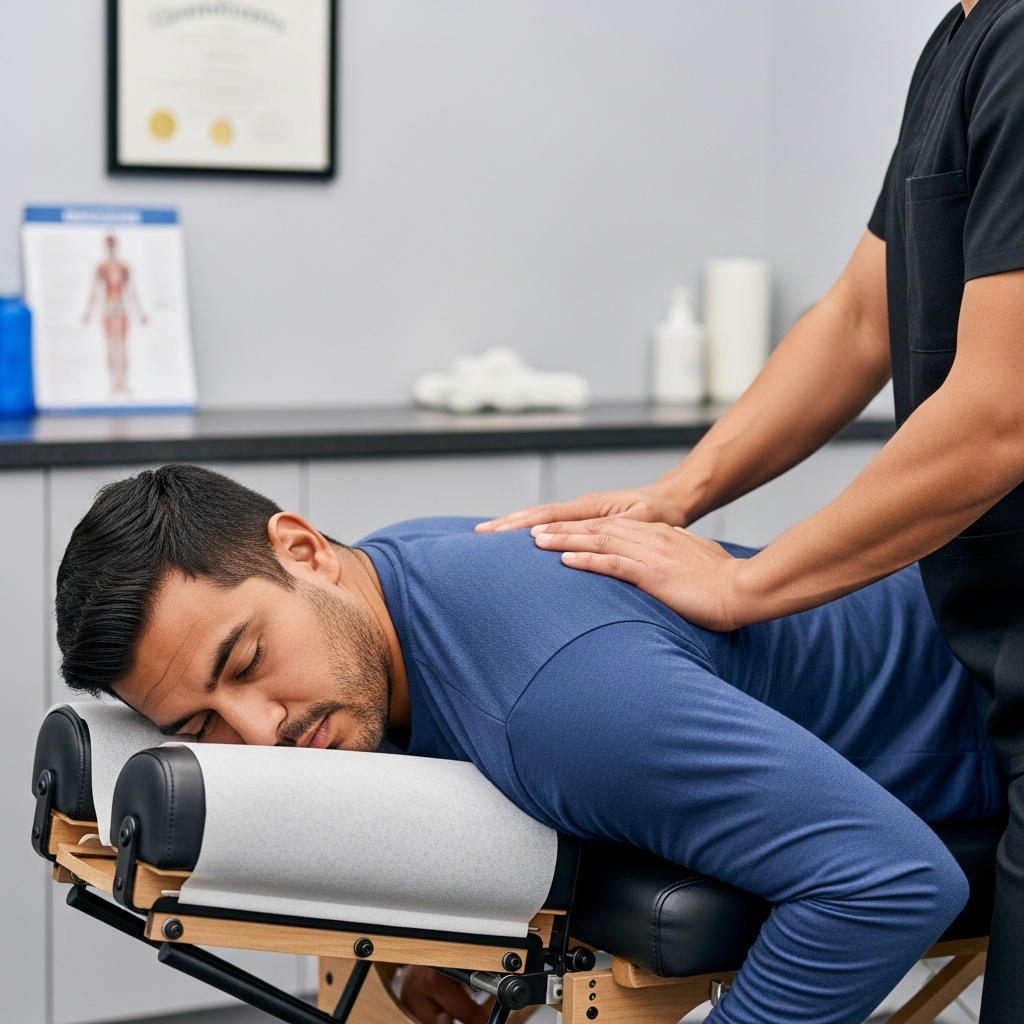
You’re rushing to catch the subway after another long day at the federal building when it happens – that sharp twist of pain in your back as you dodge through the turnstile. Or maybe it’s the persistent ache in your wrists that’s been getting worse after months of typing reports. You know, that nagging pain you’ve been ignoring because… well, who has time for doctor visits when you’re already drowning in case files?
Here’s the thing about working for the federal government in Brooklyn – you’re so focused on serving everyone else that you forget to take care of yourself. And when something does go wrong (because let’s face it, our bodies weren’t designed for eight hours hunched over a desk), navigating the maze of workers’ compensation feels about as appealing as doing your taxes. Twice.
But here’s what most federal employees don’t realize: you’ve actually got access to something pretty remarkable through the Department of Labor’s Office of Workers’ Compensation Programs. It’s not just basic coverage – we’re talking about comprehensive medical care that could genuinely change how you recover from workplace injuries. The catch? Most people have no idea how to actually use it.
I’ve watched too many dedicated public servants limp through their days, popping ibuprofen and hoping that shoulder strain will just… disappear. Meanwhile, they’re sitting on benefits that could connect them with specialists, physical therapy, even cutting-edge treatments – all covered. It’s like having a first-class ticket and choosing to sit in cargo.
The frustration is real, though. You’ve probably heard horror stories from colleagues about OWCP claims that dragged on for months, or worse – getting denied for something that seemed obviously work-related. Sarah from the Social Security office told me she gave up on her claim after the third round of paperwork. And honestly? I get why people throw in the towel.
But here’s what Sarah didn’t know (and what nobody really talks about): location matters. A lot. Getting quality DOL-OWCP care in Brooklyn isn’t just about filing the right forms – it’s about understanding the local landscape, knowing which providers actually work well within the system, and having realistic expectations about timing.
Brooklyn’s got this unique ecosystem of federal employees – from the VA hospital staff in Bay Ridge to the customs officers at the ports, from courthouse workers downtown to the postal employees scattered across every neighborhood. Each of these roles comes with its own set of physical demands and injury risks. And frankly, not every medical provider understands the federal workers’ comp system… or wants to deal with it.
You’ve probably noticed that some doctors’ offices get weird when you mention OWCP. Their staff suddenly gets busy, or they tell you they’re “not taking new patients.” That’s because navigating the federal system requires patience, specific paperwork, and unfortunately, sometimes waiting longer for payment than these practices prefer.
But – and this is important – there are providers in Brooklyn who not only accept OWCP cases but actually specialize in helping federal employees get back to full strength. They understand that your job isn’t just a paycheck; it’s a mission. Whether you’re processing immigration cases, securing our borders, or delivering mail in all kinds of weather, getting you back to 100% matters.
What we’re going to walk through isn’t just the basics of filing a claim (though we’ll cover that). We’re going to talk about the real stuff – like why your choice of doctor can make or break your experience, how to avoid the common pitfalls that derail claims, and what questions to ask before you even step foot in a provider’s office.
You’ll learn about the specific Brooklyn resources that most federal employees never hear about, understand why timing can be everything in OWCP cases, and get the inside scoop on what actually works when you’re trying to balance recovery with the realities of federal employment.
Because honestly? You deserve better than suffering in silence or settling for subpar care just because the system seems complicated. Your health isn’t optional – and neither should be getting the treatment you need to feel like yourself again.
What DOL-OWCP Actually Is (Because the Acronyms Are Real)
Look, I’ll be honest – when I first heard “DOL-OWCP,” I thought someone was having a keyboard malfunction. But here’s what it actually stands for: the Department of Labor’s Office of Workers’ Compensation Programs. Think of it as the federal government’s version of workers’ comp, but specifically for federal employees.
You know how if you work for a regular company and get hurt on the job, you’d file a workers’ comp claim? Well, if you’re a federal employee – whether you’re sorting mail at the post office, working security at a federal building, or doing any number of government jobs – you fall under a completely different system. It’s like being in a parallel universe that looks similar but has its own rules.
The Federal Employee Compensation Act – Your Safety Net
The whole thing operates under something called the Federal Employee Compensation Act (FECA). I know, another acronym… but stay with me. This law basically says that if you’re a federal employee and you get injured or become ill because of your job, the government will cover your medical expenses and potentially provide wage replacement.
It’s actually pretty comprehensive when you think about it. Unlike some workers’ comp systems that feel like they’re designed to deny claims, FECA was created with the understanding that federal work can be genuinely hazardous. Mail carriers deal with aggressive dogs and harsh weather, federal inspectors work in dangerous environments, and office workers… well, they deal with repetitive stress injuries and all the fun stuff that comes with desk jobs.
Brooklyn’s Unique Position in This System
Here’s where things get interesting for Brooklyn federal employees. You’ve got this massive borough with thousands of federal workers – from the Brooklyn Navy Yard to various Social Security offices, from postal facilities to federal courthouses. But here’s the thing that trips people up: just because you work in Brooklyn doesn’t mean your DOL-OWCP case gets handled locally.
The system is more like a web than a simple local office setup. Your claim might be processed by an examiner in another state entirely, while your medical care needs to happen with approved providers who understand the federal system. It’s… confusing, honestly. Even healthcare providers sometimes scratch their heads at how this all works.
How Medical Care Authorization Really Works
Think of DOL-OWCP medical authorization like having a very particular insurance company – one that requires specific forms, has its own fee schedules, and operates on federal timelines (which, let’s be real, aren’t always speedy).
When you need medical care under OWCP, you can’t just walk into any doctor’s office like you would with regular insurance. The provider needs to be willing to work with the federal system, which means understanding Form CA-16 authorizations, knowing how to bill the government properly, and having the patience to navigate federal bureaucracy.
Some doctors love working with OWCP because the payments are reliable once they understand the system. Others… well, let’s just say they’d rather not deal with the paperwork. It’s like the difference between a restaurant that happily takes complex special orders and one that gives you a look when you ask to substitute the dressing.
The Brooklyn Healthcare Landscape Challenge
Actually, that reminds me of something important – Brooklyn’s healthcare scene is incredibly diverse, but not every provider is set up for federal workers’ comp. You might have an amazing orthopedist three blocks from your house, but if they don’t work with OWCP, you could end up traveling to find approved care.
This is where things get genuinely frustrating for federal employees. You’re dealing with an injury or illness, you’re worried about your job, and now you’ve got to figure out which doctors in your area actually understand this system. It’s like needing a specialist who speaks a very particular dialect of medical billing.
The good news? Once you find providers who work well with OWCP, they tend to really know their stuff. They understand the forms, the timelines, and most importantly, they know how to advocate for their patients within the federal system.
Why This Matters for Your Care
Understanding these fundamentals isn’t just academic – it directly affects your access to care and your peace of mind during recovery. When you know how the system is supposed to work, you can better advocate for yourself and spot when things aren’t going as they should.
Getting Your Paperwork Right the First Time
Here’s what nobody tells you about DOL-OWCP claims – and trust me, I’ve seen enough federal employees in Brooklyn struggle with this. The paperwork isn’t just bureaucratic nonsense (though it definitely feels like it sometimes). It’s actually… well, okay, it IS bureaucratic nonsense, but it’s bureaucratic nonsense that determines whether you get the care you need.
Start with Form CA-1 for traumatic injuries or CA-2 for occupational diseases. But here’s the thing – don’t just fill it out and forget it. Make copies of everything. I mean everything. Your supervisor’s signature, the medical reports, even that little receipt from when you faxed it to the district office. Because somewhere in the maze of federal processing, things disappear. It’s like socks in a dryer, except these socks determine your medical coverage.
And speaking of supervisors – they have 10 working days to submit your claim after you file it. If they’re dragging their feet (and some do), you can actually submit it directly to the DOL yourself. Most people don’t know this. Your supervisor might give you the runaround about “following proper channels,” but legally? You’re allowed to bypass them if necessary.
Finding the Right Doctors Who Actually Accept DOL Cases
This is where things get tricky in Brooklyn. Not every doctor wants to deal with federal workers’ comp. The paperwork is intense, the reimbursement can be slow, and frankly… some physicians just don’t want the headache.
But here’s your insider advantage: call the DOL’s automated system at 1-800-827-4457 and use the physician locator. It’s clunky – feels like it was designed in 1995 – but it actually works. You can search by ZIP code, and it’ll give you doctors who are already in the system and familiar with the process.
Better yet? Ask other federal employees in your building. Seriously. The postal workers, the court employees, the folks at the Social Security office – they’ve been through this. They know which doctors in Bay Ridge or Flatbush actually return the DOL’s calls promptly and which ones will leave you hanging for weeks.
The 30-Day Rule Nobody Explains Properly
You’ve got 30 days to report your injury. Everyone knows this. What they don’t tell you is that this deadline is more flexible than your supervisor might suggest – especially if you’re dealing with an occupational disease that developed gradually.
If you’re a mail carrier whose knees gave out after years of walking routes, or a computer specialist with repetitive stress injuries… the “discovery rule” might apply. The 30-day clock doesn’t start ticking until you reasonably should have known the condition was work-related. That court stenographer who developed carpal tunnel? Her 30 days didn’t start when her wrist first hurt – it started when her doctor told her it was likely caused by her job.
Document everything, though. Keep a simple log – dates, symptoms, what you were doing when it got worse. Nothing fancy, just enough to show the progression.
Dealing with Brooklyn’s Medical Network Reality
Let’s be honest about Brooklyn’s healthcare landscape for federal workers. You’re not going to find DOL-approved specialists on every corner in Bensonhurst or Crown Heights. Sometimes you’ll need to travel – maybe to Manhattan, maybe even to Long Island – to get the specific care you need.
But here’s what you can do: if the nearest orthopedic surgeon who takes DOL cases is in Queens, you can request mileage reimbursement. Most federal employees don’t know this exists. You can get reimbursed for transportation to medical appointments at the federal rate (currently about 65 cents per mile). That trip to see a specialist in Forest Hills? It’s covered.
Also – and this is important – you can request a second opinion if you’re not comfortable with your assigned physician’s treatment plan. The DOL has to approve it, but they usually do if you have legitimate medical concerns. Don’t suffer through inadequate treatment just because it’s “easier” than requesting a change.
Working the System (Legally and Ethically)
Time your appointments strategically. Most DOL-approved doctors in Brooklyn are swamped. If you can be flexible with scheduling, ask for their first appointment of the day or right after lunch. You’re less likely to sit in a waiting room for two hours, and the doctor will be fresher and more focused on your case.
Keep detailed records of every interaction with every DOL representative you speak with. Get names, reference numbers, dates. When (not if) there’s confusion about your case status, you’ll have the ammunition you need to straighten things out quickly.
When the System Feels Like It’s Working Against You
Let’s be honest – navigating DOL-OWCP medical care in Brooklyn can feel like trying to solve a puzzle while someone keeps changing the pieces. You’re dealing with an injury, you’re probably in pain, and suddenly you’re drowning in paperwork that reads like it was written by robots for robots.
The biggest headache? Getting your initial claim approved. I’ve seen people wait months – literally months – just to hear back about whether their workplace injury is even covered. Meanwhile, you’re stuck choosing between paying out of pocket for treatment or just… suffering through it. And here’s what nobody tells you: that first “no” doesn’t mean you’re out of options. It often just means they need more documentation. Think of it like a first draft – rarely perfect, but definitely workable.
The Provider Approval Maze
Finding a doctor who actually accepts OWCP can feel impossible in Brooklyn. You’d think in a borough with millions of people, this wouldn’t be an issue, but… surprise! Many physicians don’t want to deal with federal paperwork (can you blame them?).
Here’s what actually works: Start with the OWCP provider directory, but don’t stop there. Call ahead and specifically ask if they’re currently accepting new OWCP patients – some doctors are technically on the list but aren’t taking new federal cases. Also, your union rep (if you have one) often has a goldmine of recommendations from other workers who’ve been through this.
Pro tip that’s saved countless people headaches: When you find a good OWCP doctor, ask them which specialists they typically refer to. Building that network ahead of time means you won’t be scrambling later when you need physical therapy or additional treatment.
The Dreaded Prior Authorization Dance
Nothing quite prepares you for the prior authorization process. You need approval for this test, approval for that treatment, approval to breathe differently on Tuesdays… okay, maybe not that last one, but it sure feels like it sometimes.
The real challenge isn’t just getting the authorization – it’s the waiting. Your doctor submits the request, then you sit in limbo while some claims examiner who’s never met you decides whether you “really need” that MRI. Meanwhile, your condition could be getting worse.
Actually, that reminds me of something important: Stay on top of your case actively. I know it’s exhausting when you’re already dealing with an injury, but checking in every week or two can make a real difference. That squeaky wheel thing? It’s annoying, but it works.
When Treatment Gets Denied
This is where things get really frustrating. You’re following all the rules, your doctor says you need treatment, but OWCP says no. It feels personal, even though it’s usually just bureaucratic nonsense.
Here’s the thing though – you’ve got more power than you think. Every denial comes with appeal rights, and those appeals often succeed when you have proper medical documentation. The key is understanding that the first reviewer might not be a medical professional. On appeal, your case typically gets looked at by someone with actual healthcare expertise.
Don’t try to navigate appeals alone if you can help it. Whether it’s your union representative, a patient advocate, or even just a friend who’s good with paperwork – having someone in your corner makes this process way less overwhelming.
The Documentation Avalanche
OWCP loves paperwork almost as much as they love creating more paperwork. Every appointment, every treatment, every sneeze (okay, maybe not sneezes) needs to be documented. Miss one form and suddenly your whole case is “incomplete.”
The solution isn’t to become a filing expert overnight. Instead, create a simple system: one folder (physical or digital) for everything OWCP-related. Keep copies of everything – and I mean everything. That casual conversation with your claims examiner? Write down the date and what was discussed. It sounds excessive until it’s not.
Making Peace with the Timeline
Perhaps the hardest truth? This process takes time. Lots of it. Federal bureaucracy moves at its own pace, and that pace is somewhere between glacial and geological. Fighting the timeline will only stress you out more.
Instead, focus on what you can control: staying organized, following up regularly, and taking care of your health in the meantime. The system has its flaws, but it does work – just not always on your preferred schedule.
Setting Realistic Expectations for Your Recovery Timeline
Here’s the thing about federal workers’ comp cases – they don’t move at the speed of your regular doctor’s appointment. If you’re expecting everything to be sorted out in a couple of weeks, well… you might want to grab a comfortable chair and maybe a good book.
Most straightforward cases take anywhere from 4-8 weeks just for initial approval, and that’s if everything goes smoothly. Complex injuries or cases requiring additional documentation? We’re talking months, not weeks. I know, I know – you’re dealing with pain and bills and the stress of not knowing what’s covered. But understanding the timeline upfront can save you a lot of frustration down the road.
The paperwork alone can feel like you’re applying for citizenship in a small country. There’s the CA-1 or CA-2 forms (depending on whether your injury was sudden or developed over time), medical reports, supervisor statements… and OWCP wants everything documented six ways to Sunday. They’re not being difficult just for fun – they’re protecting both you and the federal government from fraud. But yeah, it’s still a pain.
What Happens After You Submit Your Claim
Once OWCP receives your claim, they’ll assign it to a claims examiner who becomes your main point of contact. Think of this person as your case manager – they’re the one making decisions about your medical care and compensation. Some are fantastic, really advocating for injured workers. Others… well, let’s just say they stick strictly to the rulebook.
Your claims examiner will likely request additional medical information, even if you think you’ve already provided everything. This is completely normal – not a sign that something’s wrong with your case. They might want a second opinion, specific diagnostic tests, or clarification from your doctor about work restrictions.
Here’s what typically happens in those first few months
– Initial review and potential requests for more information (2-4 weeks) – Decision on your claim (another 2-6 weeks after they have everything) – If approved, authorization for ongoing medical care – Determination of any work restrictions or return-to-work timeline
Navigating the Medical Provider Network
Once your claim is accepted, you’ll need to stick with OWCP-approved providers for your treatment. The good news? Brooklyn has plenty of excellent doctors who accept workers’ comp cases. The not-so-good news? You can’t just walk into any clinic and expect OWCP to foot the bill.
Your treating physician needs to be on OWCP’s approved list, and any referrals to specialists also need approval. It’s like having a very particular insurance plan that requires pre-authorization for basically everything. Your doctor’s office will handle most of this paperwork (they’re used to it), but you’ll want to confirm authorization before any major procedures or treatments.
Some doctors are… let’s call them “enthusiastic” about OWCP cases because the payments are reliable. Others prefer to avoid the paperwork altogether. Don’t take it personally if a practice tells you they don’t accept workers’ comp – it’s about their billing preferences, not about you.
Managing Your Expectations About Return to Work
This is where things get tricky, and honestly, where a lot of federal employees feel caught in the middle. OWCP wants you back to work as soon as medically possible – that’s their job. Your agency wants to accommodate you, but they also need to maintain operations. And you? You want to heal properly without jeopardizing your career or your health.
Work restrictions are common, especially in the early stages of recovery. You might be limited to desk duty, restricted from lifting, or need ergonomic accommodations. Your agency is required to offer “light duty” if it’s available and matches your restrictions. But here’s the reality – not every workplace can accommodate every restriction, especially in hands-on federal jobs.
If your agency can’t provide suitable modified work, you might be placed on continuation of pay (COP) or compensation for total disability. This isn’t a vacation – the goal is always to get you back to productive work once you’re medically able.
Staying Organized and Proactive
Keep copies of absolutely everything. Medical reports, correspondence with your claims examiner, receipts for any medical expenses you pay out of pocket… all of it. OWCP cases can span months or even years, and having organized records will save you countless headaches.
Don’t wait for problems to resolve themselves – they usually don’t. If you haven’t heard from your claims examiner in several weeks, follow up. If a medical appointment isn’t covered when you expected it to be, ask questions. The squeaky wheel really does get the grease in these situations.
Remember, you’re not just a case number, even when it sometimes feels that way. This process exists to help you recover and return to work safely – it’s just wrapped in a whole lot of federal bureaucracy.
You know what? Navigating the federal workers’ compensation system doesn’t have to feel like you’re lost in a bureaucratic maze. Sure, the DOL-OWCP process can seem overwhelming at first – all those forms, medical requirements, and timelines swirling around in your head. But here’s the thing: you’re not alone in this, and you don’t have to figure it all out by yourself.
Finding Your Support Network
The beauty of being a federal employee in Brooklyn is that you’re part of a community that genuinely understands what you’re going through. Your colleagues have likely faced similar challenges, and there are resources specifically designed to help people just like you. Whether you’re dealing with a work-related injury that happened yesterday or managing an ongoing condition that’s been affecting your ability to do your job… there’s help available.
I’ve seen too many federal employees struggle in silence, thinking they should just “tough it out” or worry that filing a claim will somehow hurt their career. Let me tell you – that’s not how this works. These benefits exist because you’ve earned them through your service. You’re not asking for a handout; you’re accessing something that’s rightfully yours.
The Path Forward Doesn’t Have to Be Lonely
Sometimes the hardest part isn’t even the paperwork or the medical appointments. It’s that feeling of uncertainty – wondering if you’re making the right choices, if your claim will be approved, or how this will affect your future. Those concerns are completely valid, and honestly? They show how much you care about doing things the right way.
The good news is that Brooklyn has healthcare providers who really get the ins and outs of federal workers’ compensation. They understand the specific documentation requirements, the importance of detailed medical reports, and how to communicate effectively with the DOL-OWCP. More importantly, they understand that behind every claim is a real person trying to get back to feeling like themselves again.
You Don’t Have to Navigate This Alone
Here’s what I want you to remember: seeking help isn’t a sign of weakness – it’s actually pretty smart. Think about it this way: if your car was making a strange noise, you’d take it to a mechanic who knows cars, right? Same principle applies here. When you’re dealing with workers’ compensation, especially as a federal employee, working with people who understand the system can make all the difference.
Whether you’re just starting to think about filing a claim, already in the middle of the process, or feeling stuck somewhere along the way… reaching out for guidance can help clarify your next steps. Sometimes it’s just a matter of having someone explain things in plain English, or getting connected with the right medical provider who knows exactly what documentation you’ll need.
If you’re ready to take that next step – or even if you just want to talk through your situation with someone who understands – don’t hesitate to give us a call. We’re here to help federal employees like you navigate this process with confidence. You’ve dedicated your career to serving others; now let us help serve you. Because everyone deserves to get the care and support they need to heal and move forward.