How a DOL Clinic Manages Federal Work Injuries In Queens
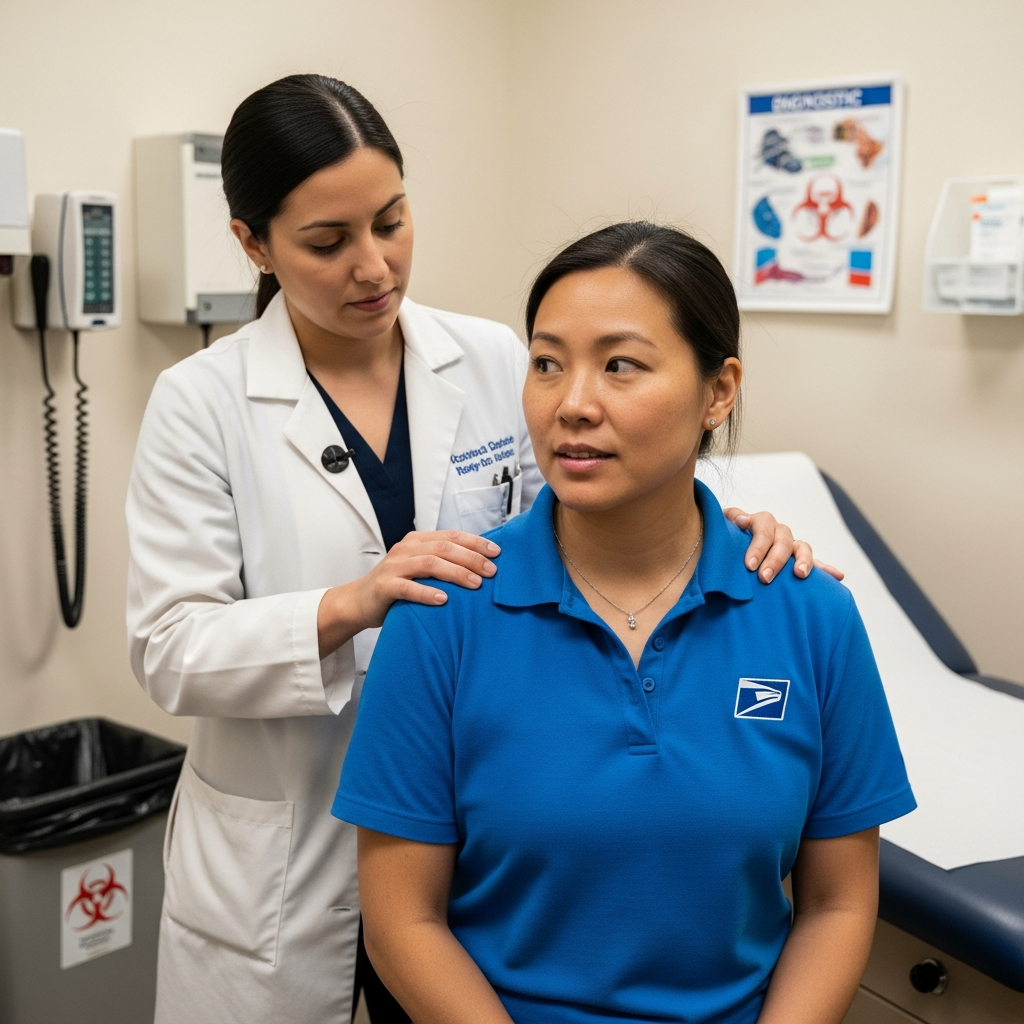
You’re rushing to catch the 7 train after another long day at the post office when it happens – your lower back seizes up like someone just hit the emergency brake on your spine. That box you lifted weird three hours ago? Yeah, that one. The pain shoots down your leg, and suddenly you’re gripping the subway platform railing, wondering how you’re going to explain this to your supervisor tomorrow.
Sound familiar?
If you work for any federal agency – whether you’re sorting mail, processing immigration paperwork, or keeping our airports secure – you’ve probably had that moment. Maybe it wasn’t your back. Maybe it was your wrist after months of repetitive data entry, or your shoulder from lifting equipment, or even something more serious like a slip on those eternally slick federal building floors.
Here’s what nobody tells you when you first get that government job: getting hurt at work isn’t just about the injury itself. It’s about navigating a maze of paperwork that makes your tax return look simple, dealing with acronyms you’ve never heard of (hello, OWCP and FECA), and trying to figure out why your claim is taking longer than a congressional budget approval.
And if you’re in Queens? Well, you’ve got some unique advantages – and challenges – that federal workers in other parts of the country don’t face.
You see, Queens isn’t just another borough when it comes to federal work injuries. We’re talking about one of the most diverse workforces in the country, with people who speak dozens of languages, work in everything from JFK Airport operations to Social Security offices in Flushing. The sheer volume of federal employees here means the system has had to get… let’s call it creative… in how it handles these cases.
But here’s the thing that’ll really get your attention: most federal workers have no idea they have options beyond just filing that initial CA-1 or CA-2 form and hoping for the best. They don’t know about DOL clinics – specialized medical facilities that actually understand the federal workers’ compensation system inside and out. Places where the doctors speak OWCP fluently, where the staff knows exactly what forms need to go where, and where you’re not just another patient trying to explain why your injury is work-related for the fifteenth time.
I’ve been working with federal employees and their injuries for years, and I can’t tell you how many times I’ve seen someone struggle through months of confusion, delayed payments, and medical runarounds… when there was a much smoother path available right here in Queens.
Think about it this way: when your car breaks down, you don’t take it to just any mechanic, right? You find someone who knows your make and model. Same principle applies here, except we’re talking about your body, your paycheck, and your peace of mind.
The DOL clinic system in Queens has evolved into something pretty remarkable – though not without its quirks. These aren’t your typical walk-in urgent care centers. They’re part of a network that was specifically designed to serve federal employees, with protocols that mesh with the Department of Labor’s requirements, doctors who understand the difference between a CA-17 and a CA-20 (trust me, there’s a difference), and staff who won’t look at you blankly when you mention FECA benefits.
But – and this is important – not all DOL clinics are created equal. Some are phenomenal at getting you back to work safely and keeping your claim moving smoothly. Others… well, let’s just say they’ve mastered the art of bureaucratic ping-pong.
Over the next several sections, we’re going to walk through how this whole system actually works in Queens. You’ll learn which clinics have the best track record (hint: location isn’t everything), what to expect during your first visit, how to avoid the most common pitfalls that can derail your claim, and honestly? Some insider tips that most federal employees never hear about.
Because whether you’re dealing with a fresh injury or you’ve been stuck in OWCP limbo for months, understanding how Queens’ DOL clinic network operates could be the difference between getting proper care and getting lost in the system.
Ready to figure this out together?
The Federal Worker’s Unique Position
Here’s where things get interesting – and honestly, a bit confusing at first. If you work for the federal government and get injured on the job, you can’t just walk into any workers’ comp office like your neighbor who works at the local grocery store. Nope, you’re in a completely different system called the Federal Employees’ Compensation Act (FECA). Think of it like being in an exclusive club… except the membership comes with paperwork that could rival a tax audit.
Most people don’t realize this until they’re actually hurt. You might assume – quite reasonably – that all workplace injuries follow the same basic rules. But federal employment is like having a different operating system on your computer. Everything looks similar from the outside, but under the hood? Totally different machinery.
What Makes DOL Different From Regular Workers’ Comp
The Department of Labor (DOL) runs FECA claims, and they’ve got their own way of doing things. While state workers’ comp might approve your local orthopedist without batting an eye, DOL has specific requirements about who can treat you and where.
This is where DOL clinics come in – they’re essentially the designated players in this federal game. These clinics have jumped through the hoops, filled out the forms, and proven they understand the unique reporting requirements that make DOL happy. It’s not that your family doctor isn’t qualified to treat your back injury… it’s that they might not know the particular dance steps DOL requires.
Think of it like this: you could probably fix a leaky faucet yourself, but if your insurance company requires a licensed plumber’s report, you’re calling a plumber. Same concept here.
The Authorization Dance
Now, here’s where it gets a bit counterintuitive. You might think getting hurt at work automatically means you’re covered for any treatment you need. And technically, that’s true… but there’s a process. Oh boy, is there a process.
Before you can get treatment (except for true emergencies), you typically need something called a CA-16 form. This little piece of paper is basically DOL’s way of saying “yes, we agree this person is hurt and needs medical attention.” Without it, you might end up paying out of pocket first and hoping for reimbursement later – which is about as fun as it sounds.
The CA-16 is good for 60 days of initial treatment. After that? You’ll need your treating physician to submit reports and recommendations for ongoing care. It’s like having to renew your parking meter, except the stakes are your health and your paycheck.
Why Location Matters More Than You’d Think
Living and working in Queens adds another layer to consider. The federal workforce here is huge – postal workers, TSA agents, customs officers, court employees, and dozens of other agencies. Each might have slightly different protocols, but they all funnel into the same DOL system.
The beauty of having a DOL clinic right in Queens is geography, plain and simple. When you’re dealing with a work injury, the last thing you want is a two-hour commute to Manhattan just to get your shoulder looked at. Plus, a local clinic that specializes in federal cases? They’ve seen it all. They know which forms your agency uses, what DOL expects in their reports, and how to navigate the approval process without unnecessary delays.
The Reporting Web
Here’s something that trips up a lot of federal workers: everyone wants reports. Your supervisor needs to know what happened. DOL needs medical documentation. Your treating physician needs to understand not just your injury, but how it affects your specific job duties.
It’s like being the central hub in one of those old telephone operator boards – you’ve got wires going everywhere, and everyone needs to stay connected. A DOL clinic acts as a translator in this web, speaking both medical language and federal bureaucrat-ese.
The clinic doesn’t just treat your injury; they help manage the information flow that keeps your claim moving forward. Because at the end of the day, the best medical treatment in the world doesn’t help if your claim gets stuck in administrative limbo.
That’s the reality of federal work injuries – it’s not just about healing, it’s about healing within a system that has very particular ideas about how things should be done.
What to Bring to Your First DOL Appointment
Here’s the thing – showing up prepared can literally make or break your case. I’ve seen people walk in with everything they need and walk out with approval in record time. Others? Well, they’re making multiple trips because they forgot one crucial document.
First up: your CA-1 or CA-2 form, properly filled out and signed by your supervisor. Sounds obvious, right? But you’d be shocked how many people show up with incomplete forms. Pro tip – make copies before you hand anything over. The DOL has a habit of… misplacing things.
Bring every single medical record related to your injury. That means the emergency room visit, follow-up appointments, imaging results – everything. Don’t assume the clinic will track these down for you. They won’t. And here’s something most people don’t know: bring records from BEFORE your injury too, especially if it involves a pre-existing condition. The DOL will find out anyway, so it’s better to be upfront.
Your work schedule and job description matter more than you think. If you can’t perform your usual duties, the clinic needs to document exactly what those duties are. Bring a detailed list of your daily tasks, lifting requirements, any repetitive motions… the works.
Understanding the Medical Examination Process
The DOL exam isn’t like your regular doctor’s visit. These physicians are specifically trained to evaluate work-related injuries, and they’re looking for very specific things. They’ll test your range of motion, strength, and functional capacity – but they’re also documenting everything for legal purposes.
Here’s what most people don’t expect: the exam can take 2-3 hours. Yeah, really. They’re thorough because they have to be. The doctor will ask about your injury mechanism (exactly how it happened), your pain levels, and how the injury affects your daily activities. Be honest but specific – “my back hurts” doesn’t cut it. “I have sharp pain shooting down my left leg when I bend forward, rating about 7 out of 10” – that’s what they need.
One thing that catches people off guard? They might ask you to demonstrate work-related movements. If you’re a construction worker with a shoulder injury, they might have you simulate hammering or lifting. It’s not a trap – they’re assessing your functional limitations.
Navigating the Claims Process Like a Pro
The paperwork feels endless, but there’s a method to this madness. Your CA-7 forms (for time loss compensation) need to be submitted every two weeks. Miss a deadline? You might not get paid for that period. Set phone reminders – seriously.
When you’re dealing with claim delays or denials (and there probably will be some), document every conversation. Get names, reference numbers, dates. The DOL bureaucracy can be… challenging, and having detailed records gives you ammunition when things go sideways.
Here’s an insider secret: if your claim is taking forever, contact your congressional representative’s office. They have liaisons specifically for federal employee issues, and a call from a congressman’s office tends to unstick things pretty quickly.
Working with Your Treatment Team
Your relationship with the clinic staff isn’t just about medical care – they’re your advocates in the claims process. But you need to be an active participant. Ask questions about your treatment plan, understand why certain tests are ordered, and communicate openly about what’s working and what isn’t.
Physical therapy compliance is huge. The DOL tracks whether you’re attending sessions, following home exercise programs, and meeting treatment goals. Missing appointments without valid reasons can hurt your case. But here’s the flip side – if a treatment isn’t helping or is making things worse, speak up. Continuing ineffective treatment just to look compliant doesn’t help anyone.
Managing Return-to-Work Decisions
This is where things get tricky. The clinic will eventually make recommendations about your ability to return to work – full duty, light duty, or continued disability. These decisions carry enormous weight with the DOL, so you want to make sure they’re accurate.
If you disagree with a return-to-work assessment, you have options. You can request a second opinion, provide additional medical evidence, or appeal the decision. Don’t just accept something that doesn’t feel right – your long-term earning capacity might depend on getting this right.
The key is building trust with your medical team while being your own advocate. It’s a delicate balance, but one that can make all the difference in your recovery and your case outcome.
When Documentation Becomes Your Worst Enemy
Let’s be honest – federal workers are drowning in paperwork even on their best days. Add a work injury to the mix, and suddenly you’re facing forms that seem designed by people who’ve never actually been hurt at work.
The CA-1 and CA-2 forms aren’t just confusing… they’re actively hostile to anyone who’s dealing with pain while trying to fill them out. You’re sitting there with a throbbing back or aching wrist, trying to decode questions about “proximate cause” and “occupational disease.” It’s like taking a law exam while someone’s hitting you with a hammer.
Here’s what actually works: Don’t go it alone. A good DOL clinic will walk you through these forms line by line – not because you’re not smart enough, but because these forms weren’t written for humans. They’ll catch those sneaky little boxes that can torpedo your claim if left unchecked, and they know which medical terminology OWCP actually wants to see (spoiler alert: it’s not always what your doctor naturally writes).
The Insurance Company Shell Game
This one trips up almost everyone, and frankly? It should. The system is genuinely confusing.
You get hurt at work, so naturally you think “I’ll use my regular health insurance.” Wrong move – but how were you supposed to know that? Using your personal insurance first can create a paperwork nightmare that follows you for months. OWCP wants to be the primary payer, but they don’t exactly advertise this fact with neon signs.
Then there’s the waiting game. OWCP takes their sweet time deciding whether to accept your claim, but your bills don’t wait. You’re getting collection notices while adjusters are still “reviewing your case.” It’s enough to make you want to scream into a pillow.
The solution isn’t pretty, but it works: Find a clinic that knows how to bill OWCP directly and won’t make you the middleman. They’ll handle the prior authorizations, the endless phone calls with claims adjusters, and – this is crucial – they’ll treat you even while your claim is still pending. Because here’s the thing… waiting three months for approval while your injury gets worse isn’t just frustrating. It’s counterproductive for everyone involved.
When Your Supervisor Suddenly Becomes Your Enemy
This one’s particularly brutal because it’s so personal. One day you’re grabbing coffee together, the next day they’re questioning whether your injury “really happened at work.” It’s like friendship whiplash.
Some supervisors panic when they hear “work injury” because they think it reflects poorly on their safety record. Others just don’t understand the system and assume you’re trying to game it somehow. And a few – let’s be real – are just jerks who think any injury claim is somehow a personal attack on them.
You don’t have to navigate this minefield alone, though. A solid DOL clinic becomes your advocate in these situations. They’ll communicate directly with your agency’s workers’ comp coordinator, taking you out of the middle of awkward conversations. They’ll also document everything – and I mean everything – because memory has a funny way of getting selective when money’s on the line.
The Return-to-Work Tightrope Walk
This is where things get really tricky. You’re feeling better – not perfect, but better – and everyone’s eager to get you back to your desk. But “better” doesn’t always mean “ready for eight hours of repetitive motion” or “capable of lifting file boxes.”
The pressure is real. Your coworkers are covering your responsibilities, your supervisor is juggling schedules, and you’re probably feeling guilty about the whole situation. So you say you’re fine when you’re really… mostly fine. With some good days and some rough days.
Here’s what nobody tells you: It’s okay to need accommodations. It’s okay to ask for modified duties. It’s okay to say “I can do this job, but not exactly the way I did it before.” A smart clinic will work with your agency to create a return-to-work plan that actually works – not just something that looks good on paper.
The best approach? Be honest about your limitations, but also be specific about what you can do. Instead of “my back hurts,” try “I can work at my computer for four hours straight, but I need to stand and move around after that.” Give them something to work with, not just problems to solve.
The Mental Health Component Nobody Talks About
Work injuries mess with your head in ways that nobody warns you about. You start second-guessing yourself, wondering if people believe you, feeling like you’re letting everyone down. That’s… actually pretty normal, even though it feels terrible.
The smart clinics get this. They don’t just patch up your physical injury and send you on your way – they understand that healing happens in your head too.
What to Expect During Your First Few Visits
Your first appointment isn’t going to solve everything – let’s just get that out there right away. I know you’re probably hoping to walk out feeling completely better, but federal work injury cases need time to unfold properly. Think of it more like… well, imagine you’re untangling Christmas lights. You can’t just yank on them and hope for the best.
During that initial visit, expect to spend a good chunk of time talking. The DOL clinic needs to understand exactly what happened, when it happened, and how it’s affecting your daily life. You’ll fill out paperwork (bring your reading glasses if you need them), discuss your work duties, and undergo a thorough examination. The doctor will document everything meticulously because the federal system demands detailed records.
Most patients leave that first appointment with a clearer picture of their injury, some initial treatment recommendations, and – honestly – probably more questions than they came in with. That’s completely normal.
The Reality of Recovery Timelines
Here’s where I need to be straight with you about timelines, because I’ve seen too many people get frustrated when their expectations don’t match reality.
Simple strains or minor injuries? You might see significant improvement in 2-4 weeks with proper treatment. But if you’re dealing with something more complex – a herniated disc, rotator cuff tear, or chronic pain that’s been building up over months – we’re looking at a longer timeline. Sometimes 3-6 months. Sometimes longer.
I know that’s not what you want to hear when you’re struggling to sleep at night or can barely lift your coffee mug in the morning. But here’s the thing – rushing back too quickly often means you’ll be right back where you started, except now you’re dealing with a re-injury on top of the original problem.
The DOL system actually supports this realistic approach to recovery. They’d rather see you take the time needed to heal properly than bounce back and forth between work and treatment indefinitely.
Navigating the Administrative Side
Let’s talk about the paperwork side of things – because unfortunately, it’s a big part of this process. Your DOL clinic will handle most of the heavy lifting, but you’ll need to stay organized too.
Keep a simple folder (or even just a shoebox) with all your medical documents, correspondence, and claim information. Take photos of important papers with your phone as backup. Trust me on this – you don’t want to be scrambling to find that one form when someone calls asking for it.
The clinic will submit regular progress reports to OWCP, schedule necessary treatments, and coordinate with specialists if needed. Sometimes this happens quickly… sometimes it doesn’t. The federal system has its own pace, and fighting against it usually just creates more stress for everyone involved.
Communication Throughout Treatment
Your DOL clinic should keep you informed about what’s happening with your case, but don’t be afraid to ask questions. Actually, let me rephrase that – definitely ask questions. This is your health and your livelihood we’re talking about.
If something changes with your symptoms, speak up immediately. If a treatment isn’t working after a reasonable trial period, say something. If you’re confused about next steps or worried about returning to work, bring it up during your appointment.
The best outcomes happen when there’s clear, honest communication between you, your medical team, and your workplace. It’s not always easy – especially if there’s tension with your supervisor or concerns about job security – but transparency usually works in your favor.
Planning for Your Return to Work
Eventually, we’ll start talking about getting you back to your job. This might mean full duty, modified duty, or a gradual return with specific restrictions. The timing depends entirely on your healing progress and the physical demands of your position.
Don’t worry – the clinic won’t just cut you loose one day and say “good luck.” There’s usually a transition period where we’re monitoring how you’re handling increased activity levels and making adjustments as needed.
Some people return to work feeling stronger than before they got injured. Others need ongoing management for chronic conditions. Both outcomes are valid, and both can be successful with the right approach and realistic expectations.
The key is staying engaged in your treatment, communicating openly about your concerns, and trusting the process – even when it feels frustratingly slow.
Your Path Forward Starts Here
Look, dealing with a workplace injury while navigating federal regulations isn’t something anyone should have to figure out alone. You’re already juggling recovery, paperwork, and probably some anxiety about your job security – the last thing you need is confusion about where to get proper care.
That’s exactly why specialized DOL clinics exist in Queens. They’ve seen it all before… the construction worker with the back injury who’s worried about returning to full duty, the postal employee dealing with repetitive strain, the federal maintenance worker whose shoulder just won’t heal right. These aren’t just medical facilities – they’re your advocates in a system that can feel pretty overwhelming.
What makes these clinics different? Well, they actually understand the maze you’re walking through. They know that getting your CA-1 or CA-2 forms handled correctly isn’t just paperwork – it’s your livelihood. They speak the same language as the Department of Labor, which means less back-and-forth, fewer delays, and more time focusing on what really matters: getting you better.
The truth is, you don’t have to settle for generic care that doesn’t quite fit your situation. When you’re dealing with a federal work injury, you need providers who know the difference between OWCP requirements and regular workers’ comp. You need someone who won’t look at you blankly when you mention your claims examiner or ask about vocational rehabilitation options.
And here’s something else – these clinics understand the emotional side of workplace injuries too. The frustration when you can’t do things the way you used to. The worry about whether you’ll be the same worker you were before. The stress of dealing with approvals and authorizations while you’re trying to heal. They get it, and they’re there for all of it.
Ready to Get the Care You Deserve?
If you’re reading this because you’re hurt and not sure what to do next, or maybe you’re not getting the specialized attention your federal injury requires, you don’t have to keep struggling alone.
Reaching out doesn’t commit you to anything except getting accurate information about your options. A quick conversation can help you understand whether your current treatment plan is really addressing your specific needs as a federal employee, or if there might be better resources available to you.
You’ve already been through enough – dealing with the injury, the paperwork, maybe even some uncertainty about your future. You deserve medical care that actually fits your unique situation, providers who understand your benefits, and a team that’s genuinely invested in getting you back to where you want to be.
Why not give yourself the advantage of working with people who specialize in exactly what you’re going through? Your recovery is too important to leave to chance, and honestly… you’ve earned the right to have experts in your corner.
Take that first step. Make the call. Ask the questions you need answered. Because getting the right care isn’t just about healing – it’s about moving forward with confidence.