Bushwick DOL Work Comp: What Injured Federal Workers Should Know

You’re rushing through your morning routine – coffee in one hand, badge in the other – when it happens. Your foot catches on that loose carpet edge everyone’s been complaining about for months. The world tilts, your shoulder slams into the corner of your desk, and suddenly you’re on the floor wondering if that sickening crack came from your body or the coffee mug that’s now scattered in pieces around you.
Sound familiar? Maybe it wasn’t a fall for you. Maybe it was lifting that box of files that felt heavier than usual, or that moment your back seized up after hours hunched over your computer. Or perhaps you’re dealing with something that crept up slowly – the kind of injury that builds over time until one day you can barely make it through your shift.
Here’s what happens next in far too many cases: you file your claim, expecting the system to work as promised… and then you wait. And wait. Meanwhile, the bills keep coming, your pain isn’t getting better, and you’re starting to wonder if you made a mistake somewhere along the way.
If you’re a federal worker in New York – particularly around the Bushwick area – dealing with a work-related injury, you’ve probably discovered that the Department of Labor’s workers’ compensation system can feel like it’s designed by people who’ve never actually been injured. The forms are confusing, the timelines seem arbitrary, and sometimes it feels like everyone’s speaking a different language.
But here’s the thing – and this is important – you’re not powerless in this situation.
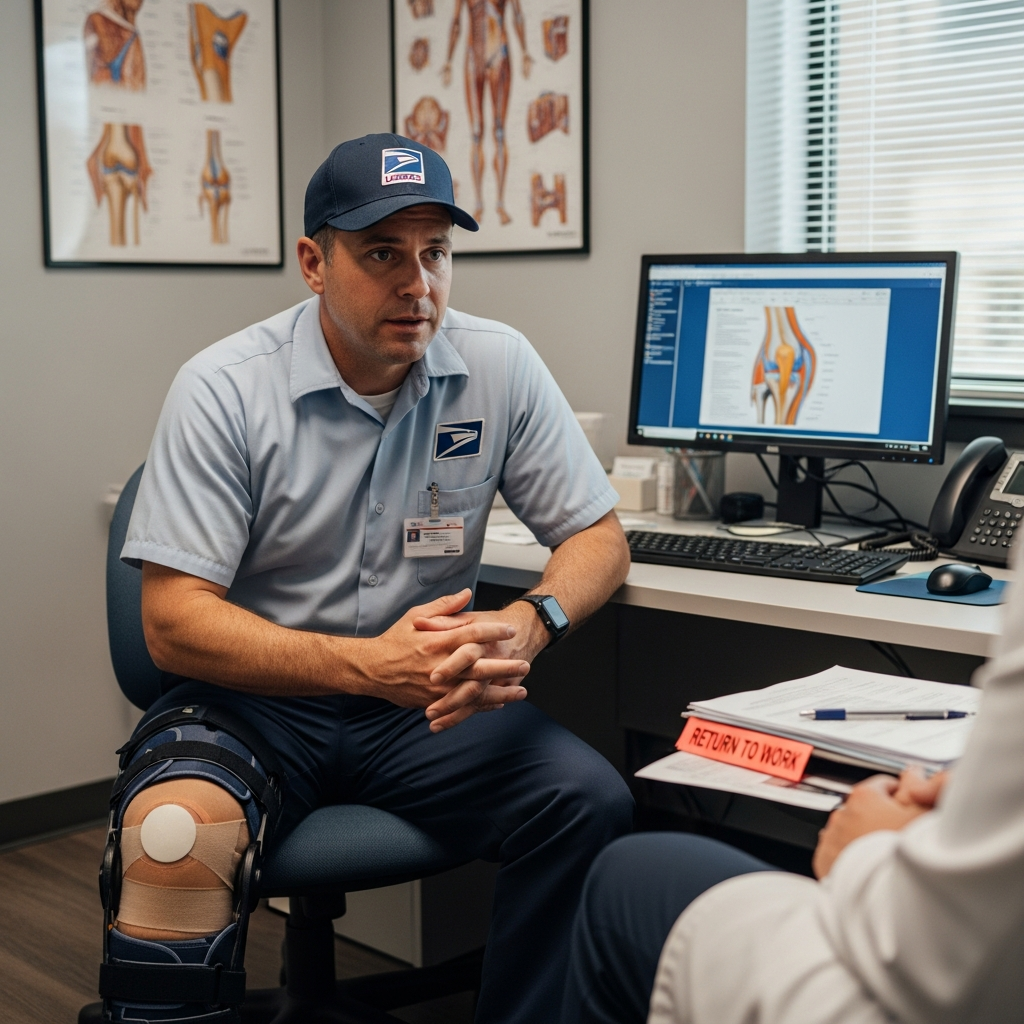
I’ve spent years helping federal employees navigate this exact maze, and I’ve seen too many good people get shortchanged simply because they didn’t know their rights or understand how the system actually works. That woman who cleaned federal buildings for fifteen years before her knee gave out? She almost settled for a fraction of what she deserved. The postal worker whose repetitive stress injury left him unable to grip mail properly? He nearly gave up entirely before learning about benefits he’d never heard of.
The truth is, the Federal Employees’ Compensation Act (FECA) is actually quite generous – when you know how to use it properly. But like any complex system, it has its quirks, its unwritten rules, and its potential pitfalls that can trip you up if you’re not prepared.
Maybe you’re sitting there right now with a stack of forms that might as well be written in ancient Greek. Or you’ve been told your claim was denied and you’re not sure what that really means or what you can do about it. Perhaps your injury happened months ago and you’re still fighting for basic medical treatment, wondering why everything takes so long when you’re in pain right now.
You might be worried about your job security – will filing a claim put a target on your back? What if your supervisor isn’t supportive? And let’s be honest about the elephant in the room: what if this injury means you can’t do your job the way you used to? What happens then?
These aren’t just bureaucratic questions. They’re about your life, your family’s security, your ability to pay rent in one of the most expensive cities in the country. When you’re hurt and can’t work – or can’t work the way you need to – every day that passes without proper benefits feels like forever.
The good news? Once you understand how the system works, it becomes much less intimidating. You’ll learn why some claims sail through while others get stuck in bureaucratic limbo. You’ll discover what documentation actually matters (hint: it’s not always what you think). Most importantly, you’ll understand your options when things don’t go according to plan.
Whether you’re dealing with a fresh injury that just happened yesterday or you’ve been struggling with an ongoing claim that feels like it’s going nowhere, there are specific strategies that can make all the difference. Some are obvious once you know them. Others… well, they’re the kind of insider knowledge that can turn a frustrating dead end into a clear path forward.
Your injury was real. Your pain is valid. And you deserve benefits that actually help you heal and get back on your feet – not just bureaucratic runaround that leaves you more stressed than when you started.
Understanding Federal Workers’ Compensation – It’s Not What You Think
Here’s the thing about federal workers’ compensation – it’s like having a completely different insurance system than everyone else. While your neighbor who works at a private company deals with their state’s workers’ comp system, you’re operating in an entirely separate universe called the Federal Employees’ Compensation Act (FECA).
Think of it this way: if workers’ compensation were a restaurant chain, FECA would be that one location that has a completely different menu, different prices, and different rules. Same basic concept – coverage for work injuries – but everything else? Totally different.
The Office of Workers’ Compensation Programs (OWCP) runs this show, and they’re housed under the Department of Labor. That’s why you’ll see “DOL” attached to everything. These folks process your claims, approve your medical treatment, and – if you’re out of work – send your compensation checks.
The FECA Advantage (Yes, There Really Is One)
Now, I know dealing with any bureaucracy feels like swimming through molasses, but federal workers actually got a pretty good deal here. FECA benefits are generally more generous than what you’d find in most state systems. We’re talking about medical coverage that’s… well, actually comprehensive.
Your medical bills get paid directly to healthcare providers – no dealing with insurance cards or copays or that awkward moment when the receptionist says your insurance was declined. The system covers everything from your initial emergency room visit to ongoing physical therapy, prescription medications, even medical equipment if you need it.
But here’s where it gets interesting (and slightly confusing): unlike regular health insurance, FECA doesn’t just patch you up and send you on your way. If your injury affects your ability to work, they’ll also provide wage replacement benefits. It’s like having a safety net that actually catches you instead of just… existing there for show.
The Compensation Puzzle – More Complex Than It Looks
The wage replacement part is where things get a bit… mathematical. And honestly? Even seasoned federal employees sometimes scratch their heads over this.
If you’re completely unable to work, you’ll typically receive about 66.67% of your regular pay – though it jumps to 75% if you have dependents. Now, before you start calculating what that means for your monthly budget, remember that these payments are generally tax-free. So that 66% might actually feel closer to your regular take-home pay than you’d expect.
But what if you can work, just not at full capacity? That’s where things get interesting. The system can provide partial disability benefits, which involves comparing what you used to earn versus what you can earn now. It’s like trying to balance a very complicated equation where one side keeps changing.
The Medical Provider Network – Your New Best Friend
Here’s something that trips up a lot of people: you can’t just waltz into any doctor’s office and expect FECA to cover it. Well, you *can*, but you might end up paying out of pocket, which defeats the whole purpose.
FECA has specific rules about which doctors you can see initially (spoiler alert: it’s usually whoever treats you first in an emergency situation). After that, you’ll need to work within their system to find ongoing care. Think of it like having a VIP pass – it gets you amazing access, but only to certain venues.
The good news? Once you’re established with FECA-approved providers, the coordination tends to be pretty smooth. These doctors know the system, understand the paperwork, and can communicate directly with OWCP about your treatment needs.
Why Location Matters (Even in the Federal System)
Now, you might wonder why we’re talking about Bushwick specifically when federal workers’ comp is… well, federal. Here’s the thing: while the rules are the same nationwide, having local resources and expertise can make a huge difference in how smoothly your case proceeds.
Local attorneys who understand both the federal system and the regional quirks can be invaluable. They know which OWCP offices tend to move faster, which medical providers in the area work well with FECA claims, and honestly? They’ve probably seen your exact situation before.
It’s like the difference between having a GPS and having a local guide who knows all the shortcuts and construction zones. Both will get you there, but one makes the trip a whole lot easier.
Getting Your Paperwork Right the First Time
Look, I’ll be straight with you – the Department of Labor isn’t exactly known for their user-friendly processes. But here’s what most people don’t realize: getting your initial forms perfect can save you months of back-and-forth headaches.
When you’re filling out that CA-1 (for traumatic injuries) or CA-2 (for occupational diseases), don’t just scribble down “back pain” or “stress.” Be ridiculously specific. Instead of “injured my back lifting,” write “acute lumbar strain L4-L5 region while lifting 40-pound box from floor to shoulder height at approximately 2:15 PM.” The claims examiner reading your file three weeks from now? They weren’t there. Paint them a picture they can’t ignore.
And here’s a insider tip that’ll save you grief later… always, always keep copies of everything. Not just photocopies – I mean digital scans stored in multiple places. Your supervisor might “lose” your incident report, or that witness statement might mysteriously disappear from your file. It happens more than you’d think.
The Medical Evidence Game You Need to Win
Your doctor is brilliant at medicine, but they’re probably terrible at federal workers’ comp paperwork. Most physicians have no clue what the DOL actually wants to see in their reports. This is where you become your own advocate.
Before your appointment, write down exactly how your injury happened – every detail. Then, during your visit, make sure your doctor documents the mechanism of injury in their notes. The DOL wants to see a clear causal relationship between your work duties and your condition. If your doctor just writes “patient reports back pain,” that’s not going to cut it.
Ask your physician to be specific about work restrictions too. “Light duty” means nothing to a claims examiner. But “no lifting over 20 pounds, no repetitive bending, sitting/standing option every 30 minutes” – now that’s something concrete your employer has to work with.
Navigating the Supervisor Minefield
Here’s something nobody talks about openly – some supervisors will try to discourage you from filing a claim, either because they don’t understand the process or because they’re worried about how it reflects on their department. You might hear things like “just use your sick leave” or “let’s see how you feel in a few days.”
Don’t fall for it. Federal employees have the right to file workers’ compensation claims, period. You don’t need your supervisor’s permission, and they can’t retaliate against you for filing (though unfortunately, some still try).
Document every interaction. If your supervisor tells you something about your claim verbally, send them an email afterward: “Just to confirm our conversation today, you mentioned…” This creates a paper trail that protects you later.
The Waiting Game – And How to Speed Things Up
DOL claims can feel like they’re moving through molasses. But you’re not powerless here. The squeaky wheel really does get the grease, but you have to squeak strategically.
Call your claims examiner every two weeks – not to be annoying, but to show you’re actively engaged in your case. Keep a log of when you called, who you spoke with, and what they told you. Sometimes you’ll get different answers from different people (frustrating, but common), and having documentation helps sort out the confusion.
If your claim is taking longer than the DOL’s own processing timeframes – and trust me, this happens – you can request supervisory review. Don’t be afraid to escalate. The district office managers often have the authority to move things along when cases are stuck in bureaucratic limbo.
When to Consider Getting Help
Look, I’m all for self-advocacy, but sometimes you need reinforcement. If your claim gets denied, if you’re dealing with a complex occupational disease, or if your case involves disputes about medical treatment – that’s when you might want to consider getting an attorney who specializes in federal workers’ compensation.
The good news? In federal workers’ comp, attorney fees are regulated and typically paid by the DOL if you win your case. You’re not gambling your house payment on legal fees.
Just remember – you don’t have to figure this all out alone. The system is complicated by design, but with the right approach and a little persistence, you can get the benefits you’ve earned.
When the System Feels Like It’s Working Against You
Let’s be honest – navigating federal workers’ compensation through the DOL isn’t exactly a walk in the park. You’re already dealing with an injury, probably some pain, maybe lost wages… and now you’ve got to become an expert in bureaucracy? It’s like being asked to solve a Rubik’s cube while blindfolded and riding a unicycle.
The first thing that trips people up? The paperwork avalanche. You think you’ve filled out everything correctly, sent it to the right office, dotted every i and crossed every t. Then – surprise! – you get a letter saying you’re missing form CA-whatever-number-they-made-up-this-week.
Here’s what actually works: make copies of absolutely everything. I mean everything. That receipt from the doctor’s visit? Copy it. The form you filled out in duplicate? Make it triplicate. Keep a filing system that would make a librarian weep with joy. Because when (not if) something goes missing, you’ll be the one who has to prove it existed in the first place.
The Waiting Game That Nobody Warned You About
Federal workers’ comp moves at the speed of… well, let’s just say molasses would lap it in a race. You file your claim thinking you’ll hear back in a few weeks. Weeks turn into months, months turn into – well, you get the picture.
The hardest part isn’t even the waiting itself. It’s not knowing where you stand. Are they reviewing your case? Did it get lost in someone’s inbox? Is there some critical piece of information they need but forgot to tell you about?
Your best defense here is becoming your own case manager. Get claim numbers tattooed on your brain (okay, maybe just write them down somewhere safe). Call regularly – not enough to be annoying, but enough to stay on their radar. Keep detailed records of every conversation: who you spoke with, when, what they told you. That casual comment from a claims examiner about needing additional documentation? Write it down. That stuff has a way of becoming crucial later.
When Doctors and Bureaucrats Don’t Speak the Same Language
Here’s something nobody tells you – your doctor’s note saying “patient needs light duty” doesn’t automatically translate to your supervisor understanding what that means. It’s like that old telephone game we played as kids, except instead of a silly message getting garbled, it’s your ability to work safely.
The disconnect usually happens because doctors think in medical terms while the DOL thinks in… well, DOL terms. Your physician might say you can’t lift more than ten pounds, but if that’s not documented in the exact format the DOL wants, you might find yourself stuck between what your body can handle and what your claim covers.
Solution? Become a translator. When you visit your doctor, ask them to be specific about work restrictions. Not just “light duty” but “no lifting over X pounds, no repetitive motions with affected arm, requires frequent position changes.” The more detailed, the better. And make sure they understand these restrictions need to be clearly documented in their reports to the DOL.
The Return-to-Work Maze
They say getting back to work after an injury should be straightforward. They lied. You’re caught between your doctor saying you’re ready for modified duties, your supervisor insisting they don’t have any modified positions available, and the DOL wanting everyone to just figure it out.
This is where things get particularly frustrating because everyone’s operating with different information and different priorities. Your doctor wants you healthy, your supervisor needs the work done, and the DOL wants to close your case. Meanwhile, you’re just trying not to re-injure yourself while keeping food on the table.
The key here is communication – lots of it, documented every step of the way. Have conversations with your supervisor about available accommodations before your doctor clears you to return. Get creative about what “modified duty” might look like in your specific role. And keep pushing back (politely but firmly) if you’re being pressured to do work that could worsen your condition.
Fighting the Urge to Give Up
Look, there are going to be days when throwing in the towel seems like the most rational option. The system can feel deliberately designed to wear you down. Some days it probably is.
But here’s the thing – you earned these benefits. They’re not charity or handouts. They’re part of your compensation package, just like your salary or health insurance. You wouldn’t walk away from your paycheck because the direct deposit was delayed, right?
When frustration peaks, take a step back. Focus on one small task at a time rather than trying to solve everything at once. And remember – you don’t have to navigate this alone. There are resources, advocates, and yes, even some helpful people within the system itself.
Setting Realistic Expectations About Your DOL Claim
Let’s be honest – dealing with a federal workers’ compensation claim isn’t exactly a sprint. It’s more like… well, think of it as training for a marathon you never signed up for. The Department of Labor processes thousands of these claims, and while they’re thorough (sometimes painfully so), the timeline can feel endless when you’re dealing with pain and financial stress.
Most initial claim decisions take anywhere from 60 to 120 days. That’s assuming you’ve submitted everything correctly the first time – and let’s face it, that doesn’t always happen. Missing a form here, unclear medical documentation there… it adds up. Don’t beat yourself up if you need to resubmit things. Even HR professionals get tripped up by DOL paperwork sometimes.
If your claim gets denied initially (and about 30% do), you’re looking at additional months for the appeal process. The good news? Many denied claims get approved on appeal once proper medical evidence is submitted. The not-so-good news? You’ll need patience. Lots of it.
What Happens After You File
Once your CA-1 or CA-2 is submitted, you’ll enter what I like to call the “waiting room phase.” You might not hear anything for weeks, then suddenly get a flurry of requests for additional information. This is normal – frustrating, but normal.
The DOL will assign a claims examiner to your case. Think of them as your case’s personal detective, gathering evidence to determine if your injury is work-related and compensable. They’ll review your medical records, possibly contact your supervisor, and may even request an independent medical examination.
Here’s something many people don’t expect: the claims examiner might seem skeptical at times. Don’t take it personally. They’re trained to ask tough questions – it’s literally their job to verify every detail of your claim. Being thorough protects both you and the system.
Managing the Medical Side of Things
Your doctor becomes incredibly important in this process – more important than you might realize. They’re not just treating your injury; they’re essentially your medical advocate in a legal process.
Make sure your healthcare provider understands they’re treating a federal workers’ compensation case. Some doctors aren’t familiar with DOL requirements, and that can create delays. You might need to gently educate them about forms like the CA-20 (attending physician’s report) and why detailed documentation matters so much.
Actually, that reminds me… keep detailed records of every medical appointment, every symptom, every limitation you experience. I know it sounds tedious when you’re already dealing with pain, but this documentation becomes crucial if your claim faces scrutiny later.
Financial Realities You Should Know
Let’s talk money – because that’s probably keeping you up at night. If your claim is approved, you won’t receive compensation retroactive to day one immediately. There’s usually a three-day waiting period for temporary disability benefits, and the first payment can take several weeks after approval.
Workers’ comp typically pays about two-thirds of your salary for temporary total disability. I know – it’s not your full paycheck, and that creates real financial pressure. Some federal employees don’t realize they can use sick leave or annual leave initially while waiting for their claim to process. Check with your HR department about this option.
For permanent injuries, the calculation gets more complex, involving factors like your age, salary, and degree of impairment. Don’t expect quick answers on permanent disability ratings – these determinations often take many months and sometimes require multiple medical evaluations.
Preparing for Potential Roadblocks
Sometimes claims hit unexpected snags. Maybe there’s a question about whether your injury happened exactly as described. Perhaps there’s a pre-existing condition that complicates things. Or the DOL wants a second opinion from their own medical examiner.
These roadblocks aren’t necessarily bad signs – they’re just part of a thorough review process. But they do extend timelines, sometimes significantly. Stay organized, respond promptly to any requests, and don’t hesitate to follow up if you haven’t heard anything in a reasonable timeframe.
Moving Forward With Confidence
The key to navigating this process successfully? Consistent communication and meticulous record-keeping. Treat every piece of paperwork like it matters (because it does), but don’t let the bureaucracy overwhelm you. You’re dealing with a system designed to help injured federal workers – even when it doesn’t feel that way during the long, quiet stretches between updates.
Remember, thousands of federal employees successfully navigate this process every year. With patience and proper preparation, you can too.
You Don’t Have to Navigate This Alone
Look, I get it. When you’re dealing with a work injury as a federal employee, it can feel like you’re drowning in paperwork while trying to juggle doctor’s appointments, pain management, and – oh yeah – somehow getting back on your feet. The whole process? It’s overwhelming, and frankly… it’s not exactly designed with your stress levels in mind.
Here’s what I want you to remember, though. You’ve earned these benefits. This isn’t charity or some favor the system is doing you – this is compensation you’ve worked for, paid into, and absolutely deserve. Whether you’re dealing with a sudden injury that happened yesterday or a condition that’s been building up over months of repetitive work, your claim matters.
The Department of Labor’s workers’ compensation system – even with all its quirks and bureaucratic hoops – exists to support federal workers just like you. Sure, the forms can be confusing (seriously, who writes these things?), and yes, the waiting periods can test your patience. But thousands of federal employees successfully navigate this process every year, and there’s no reason you can’t be one of them.
What really makes the difference? Having someone in your corner who actually understands the system. Think about it like this – you wouldn’t try to fix your car’s transmission without the right tools and know-how, right? Same principle applies here. The rules, deadlines, and requirements for federal workers’ comp are specific and… well, let’s just say they’re not exactly intuitive.
Maybe you’re worried about making mistakes on your claim. Or perhaps you’re concerned about how this might affect your job security or future career prospects. These fears? They’re completely normal. But here’s the thing – getting proper guidance early on can save you months of headaches and potentially thousands of dollars in benefits you might otherwise miss out on.
Your health and financial stability shouldn’t have to take a backseat to bureaucratic confusion. Whether you’re just starting to think about filing a claim or you’re already deep in the process and feeling stuck, remember that asking for help isn’t admitting defeat – it’s being smart about protecting your future.
Ready to Take the Next Step?
If any of this resonates with you – if you’re feeling overwhelmed, confused, or just want someone to walk you through your options without any pressure – we’d love to chat. Our team has helped countless federal workers understand their rights and get the compensation they deserve.
We’re not here to push you into anything or make promises we can’t keep. We’re here to listen, explain your options in plain English, and support you however we can. Sometimes that means full representation, sometimes it’s just answering a few questions to point you in the right direction.
Give us a call or send a message. No obligation, no sales pitch – just real people who understand what you’re going through and want to help. Because honestly? You’ve got enough on your plate right now without having to figure this out all by yourself.
Your recovery and your future matter. Let’s make sure you get the support you’ve earned.