US Dept of Labor Workers Compensation Benefits Explained

You’re rushing to finish that quarterly report when your office chair – the one that’s been making that weird clicking sound for months – finally gives up. One moment you’re typing away, the next you’re on the floor with a sharp pain shooting through your back and your laptop scattered across the carpet. Sound familiar?
Or Maybe it was different for you. Maybe it was the moment you lifted that heavy box at the warehouse and felt something pop. Or when you slipped on that wet floor despite the yellow caution sign. Or perhaps it happened so gradually you didn’t even notice at first – the repetitive strain from years of assembly line work finally catching up with your wrists and shoulders.
Here’s what happens next in that scenario… and it’s probably not what you’d expect. Most people’s first thought isn’t “I wonder what the Department of Labor says about this?” It’s more like “Oh no, am I going to get fired?” followed quickly by “How am I going to pay for a doctor visit?” and then the classic “Maybe if I just ignore it, it’ll go away.”
But here’s the thing – and this is something a lot of people don’t realize until they’re lying on their kitchen floor at 2 AM googling “back injury workers comp” – you’ve got rights. Real ones. The kind backed by federal law and decades of legal precedent.
The U.S. Department of Labor doesn’t just make rules about minimum wage and overtime (though they do that too). They’re also the folks who’ve got your back when work literally hurts your back. Workers’ compensation isn’t some corporate charity or goodwill gesture from your employer. It’s a system that’s been around for over a century, designed specifically because, well… work can be dangerous.
Think about it – every single day, millions of Americans head to jobs where things can go wrong. Construction workers navigate heights and heavy machinery. Office workers battle carpal tunnel and chronic neck strain. Healthcare workers lift patients and handle hazardous materials. Retail employees deal with everything from ladder falls to repetitive stress injuries from scanning barcodes all day long.
The statistics are pretty sobering, actually. According to recent data, there are roughly 2.8 million workplace injuries and illnesses reported each year. That’s about 5,000 people getting hurt at work every single day. And those are just the reported cases – we all know there are plenty of folks who tough it out, pop some ibuprofen, and hope for the best.
But here’s where it gets interesting (and where most people get completely lost)… workers’ compensation isn’t just one simple program. It’s actually this complex web of federal oversight, state-specific laws, different types of coverage, and various benefit categories that can honestly make your head spin.
Some benefits kick in immediately. Others have waiting periods. Some cover all your medical expenses, while others might only cover a percentage. There are temporary benefits, permanent benefits, vocational rehabilitation, and death benefits. And depending on whether you work for a federal agency, a private company, or fall under specific federal programs, the rules can be completely different.
It’s like having insurance, but not quite. It’s like disability benefits, but not exactly. It’s its own unique beast – one that was specifically designed to protect workers while also protecting employers from endless lawsuits. A sort of grand compromise that’s been evolving for over 100 years.
The frustrating part? Most people never learn about any of this until they desperately need it. And by then, you’re dealing with pain, stress about missed work, mounting medical bills, and trying to navigate a system that seems designed to confuse you.
That’s where we come in. We’re going to walk through everything the Department of Labor wants you to know about workers’ compensation – but in plain English, without the bureaucratic double-speak. You’ll learn what benefits you’re actually entitled to, how to file a claim without getting lost in paperwork hell, what to do if your claim gets denied (spoiler alert: it happens more than it should), and how to make sure you’re getting everything you deserve.
Because honestly? Understanding your rights shouldn’t require a law degree. And protecting yourself at work shouldn’t feel like a part-time job in itself.
Think of It Like Insurance… But Not Quite
You know how you pay for car insurance hoping you’ll never need it? Workers’ compensation is similar – except you’re not the one writing the checks. Your employer handles that part, which is honestly pretty nice when you think about it.
But here’s where it gets a bit weird compared to regular insurance. Workers’ comp isn’t just about covering medical bills when you get hurt on the job. It’s this whole system that was basically designed to keep everyone from suing each other into oblivion. Back in the early 1900s, workplace injuries were… well, let’s just say safety wasn’t exactly the priority it is today. Workers would get hurt, employers would get sued, lawyers would get rich, and everyone else would end up frustrated and broke.
So someone had the bright idea: what if we just made a deal? Employers provide guaranteed benefits for work injuries, and employees give up their right to sue for most workplace accidents. It’s like a social contract written in legal jargon – which, honestly, makes it about as clear as mud sometimes.
The Federal vs. State Puzzle
Here’s where things get genuinely confusing, and I’ll be the first to admit it: the Department of Labor doesn’t actually run most workers’ compensation programs. I know, I know – it seems backwards.
Most workers’ comp is handled at the state level. Each state has its own rules, its own benefit amounts, its own quirky requirements. It’s like having 50 different recipes for the same dish – they’re all technically workers’ compensation, but the ingredients and cooking times vary wildly depending on where you live.
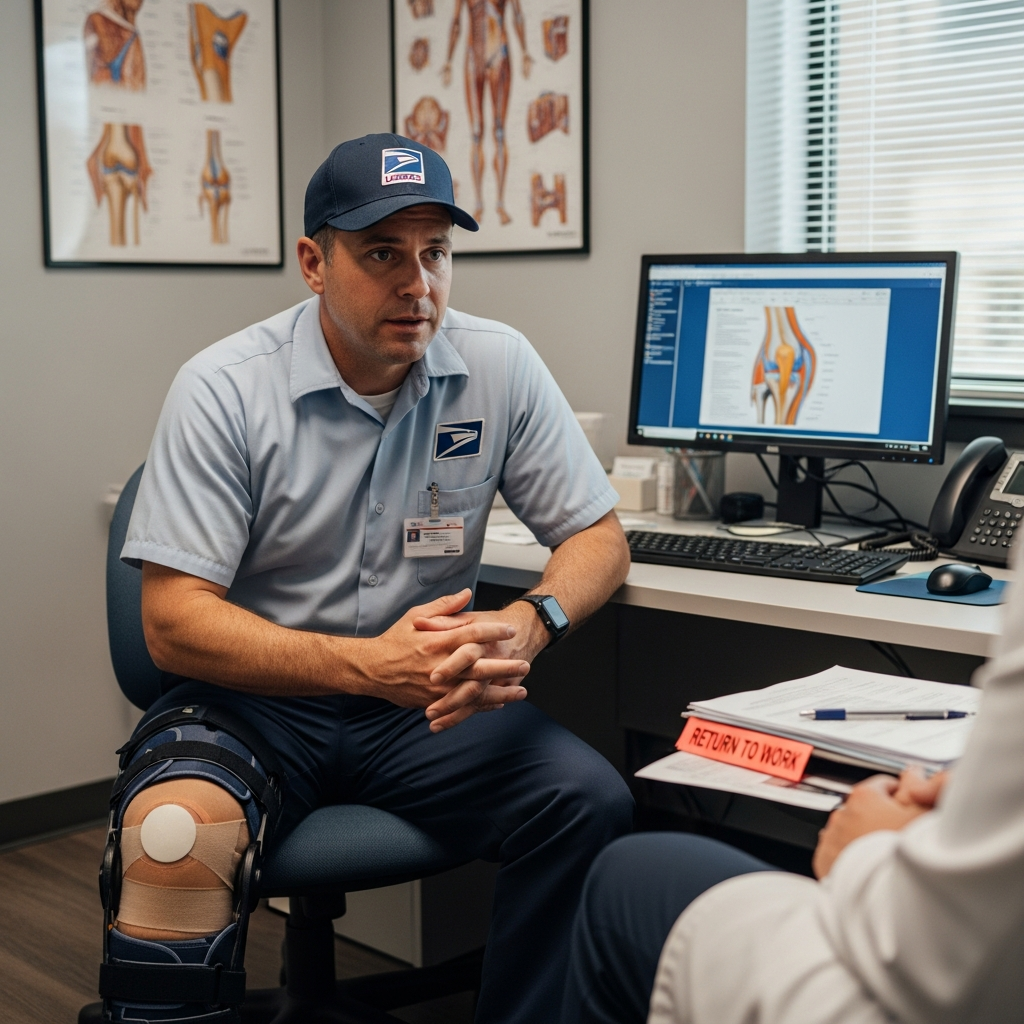
The Department of Labor steps in for federal employees and certain specific groups. Think postal workers, FBI agents, folks working on military bases – basically people whose paychecks come from Uncle Sam rather than a private company or state government. For these workers, the DOL runs programs like the Federal Employees’ Compensation Act (FECA) and the Longshore and Harbor Workers’ Compensation Act.
What Actually Gets Covered (And What Doesn’t)
The basic idea is pretty straightforward: if you get hurt because of your job, workers’ comp should have your back. But defining “because of your job” can be… well, it’s where things get interesting.
Say you’re a nurse and you hurt your back lifting a patient – that’s clearly work-related. But what if you’re walking to your car after your shift and slip on ice in the parking lot? Or you’re at the company picnic and twist your ankle playing softball? These situations live in the gray areas that keep workers’ comp lawyers busy.
Generally speaking, workers’ comp covers medical expenses, a portion of your lost wages, and sometimes vocational rehabilitation if you can’t return to your old job. The medical coverage is usually pretty comprehensive – doctor visits, surgeries, medications, physical therapy. It’s designed to get you back to health without worrying about copays and deductibles.
The wage replacement part is where it gets… less generous. Most programs pay around two-thirds of your average weekly wage. So if you normally make $900 a week, you might get around $600 while you’re recovering. It’s not nothing, but it’s definitely not everything – which is why some people are surprised by the financial hit.
The Trade-Off Nobody Really Talks About
Remember that social contract I mentioned earlier? Here’s the part that can feel a bit frustrating: in exchange for guaranteed benefits, you generally can’t sue your employer for workplace injuries, even when they’re clearly at fault.
Let’s say your boss knew that ladder was broken but told you to use it anyway, and you fell and broke your leg. In most situations, you can’t take them to court for pain and suffering or punitive damages. You get your medical bills paid and partial wage replacement, but that’s typically the extent of it.
There are exceptions – situations involving intentional harm or violations of safety laws can sometimes open other legal doors. But for the vast majority of workplace injuries, workers’ comp benefits are your only option. It’s job security for your recovery, but not necessarily the lottery ticket some people imagine legal settlements to be.
This system works pretty well for minor injuries and straightforward cases. But when you’re dealing with permanent disabilities or complex situations… well, that’s when the limitations of this century-old compromise become more apparent.
Getting Your Claim Started – The First 48 Hours Matter
Here’s what nobody tells you: those first two days after your injury can make or break your entire claim. You’re probably in pain, maybe panicked, and the last thing you want to think about is paperwork. But listen – I’ve seen too many people lose benefits because they didn’t know these crucial first steps.
Report your injury immediately. I mean within hours if possible, definitely within 24. Your supervisor might brush it off or say “we’ll deal with it Monday,” but don’t wait. Send an email, text, or leave a voicemail documenting exactly when and how you reported it. Keep a copy of everything. That timestamp becomes your lifeline if anyone questions whether you followed proper procedures.
Get medical attention right away, even if you think you’re fine. Adrenaline masks pain, and some injuries don’t show up for days. Plus, having immediate medical documentation creates an unbreakable link between your workplace incident and your injury. Without it? Good luck proving your back problems came from that fall at work and not from weekend gardening.
The Documentation Game – Become a Detective
You need to think like a CSI investigator collecting evidence for your own case. Take photos of everything – the accident scene, your injuries, any equipment involved, even the weather if it’s relevant. Your phone’s timestamp will be golden evidence later.
Write down every single detail while it’s fresh in your memory. What time did it happen? Who was there? What exactly were you doing? What did people say afterward? That coworker who witnessed everything might mysteriously “forget” details later when HR starts asking questions.
Keep a daily pain journal – sounds dramatic, but it works. Note your pain levels, what activities hurt, medications you’re taking, doctor visits, even how the injury affects your sleep or mood. Insurance adjusters love to claim injuries are “minor” or “pre-existing,” but your detailed records become powerful ammunition against their denials.
Dealing with Insurance Companies – They’re Not Your Friends
I know the claims adjuster sounds nice on the phone, but remember – their job is to pay you as little as possible. They’re trained to be friendly while looking for reasons to deny or reduce your claim.
Never give a recorded statement without consulting a workers’ comp attorney first. They’ll ask seemingly innocent questions designed to trap you. “How are you feeling today?” seems harmless, but if you say “fine” to be polite, they’ll use it to argue you’re not actually injured.
Don’t sign anything beyond basic claim forms without reading it carefully. Some documents waive your rights to future benefits or limit your medical treatment options. When in doubt, have someone else review it – preferably someone who knows workers’ comp law.
Navigating Medical Treatment – Your Rights and Responsibilities
You have the right to quality medical care, but there are rules. In most states, your employer or their insurance company gets to choose your initial doctor. Don’t panic – this doesn’t mean you’re stuck with someone who doesn’t take your case seriously.
If you’re not getting proper treatment, you can usually request a different doctor within their network. Document everything: long wait times, dismissed concerns, inadequate treatment plans. You might need this evidence if you have to fight for better care later.
Keep all medical appointments and follow treatment plans religiously. Missing appointments or ignoring doctor’s orders gives the insurance company ammunition to claim you’re not really injured or not trying to get better. It’s frustrating when you’re in pain, but compliance protects your benefits.
When Things Go Wrong – Red Flags and Next Steps
Sometimes claims get denied or benefits suddenly stop. Don’t assume it’s over. You have appeal rights, but there are strict deadlines – usually 30 days or less.
Watch for these warning signs: delayed payments, requests for excessive documentation, scheduling independent medical exams with doctors known for finding “no injury,” or pressure to return to work before you’re ready.
If any of these happen, consider consulting a workers’ comp attorney immediately. Most work on contingency (they only get paid if you win), and they know all the tricks insurance companies use to avoid paying legitimate claims.
Remember – workers’ compensation is your legal right, not charity from your employer. Don’t let anyone make you feel guilty for filing a claim or seeking the benefits you’ve earned.
When Your Claim Gets Denied (And It Happens More Than You’d Think)
Let’s be real – workers’ comp claims get denied. A lot. The insurance companies aren’t exactly eager to hand out checks, and sometimes legitimate injuries fall through bureaucratic cracks that seem designed to frustrate you into giving up.
The most common reason? “Lack of medical evidence.” Which sounds simple enough until you realize that your family doctor’s note saying “John hurt his back” isn’t going to cut it. You need detailed medical records that specifically connect your injury to your workplace incident. That means getting your doctor to write reports that spell out exactly how lifting that box caused your herniated disc – not just that you have a herniated disc.
Here’s what actually works: Be your own advocate. Ask your doctor to document everything in detail. If they write vague notes, politely ask them to be more specific about the connection between your work and your injury. Most doctors want to help – they just don’t always know what workers’ comp adjusters are looking for.
The Paperwork Maze (Yes, It’s as Bad as Everyone Says)
The forms are confusing. The deadlines are tight. And honestly? The system seems designed by people who’ve never actually filled out paperwork while dealing with a painful injury and missing work.
You’ve got your First Report of Injury, your Application for Adjustment of Claim, medical records requests, wage statements… it’s enough to make your head spin. Miss one deadline, fill out one form incorrectly, and your claim can get delayed or denied.
The solution isn’t to power through it alone. Many states have ombudsman programs – free services that help workers navigate the system. Think of them as your personal GPS through the workers’ comp maze. They know which forms matter most, which deadlines are actually flexible, and how to talk to adjusters in their own language.
Also, don’t be afraid to ask your employer’s HR department for help with the initial paperwork. I know, I know – you might feel like they’re not on your side. But they want claims filed correctly too, because messy paperwork creates headaches for everyone.
When Your Doctor and the Insurance Doctor Disagree
This one’s particularly maddening. Your treating physician says you need surgery and six months off work. The insurance company’s “independent” medical examiner – who spent fifteen minutes with you – says you’re fine to return to full duty.
These Independent Medical Examinations (IMEs) can feel like a rigged game. The insurance company picks the doctor, pays the doctor, and somehow that doctor often finds that you’re not as injured as your own physician thinks. Shocking, right?
But you’re not powerless here. You can request a second opinion from another doctor of your choosing (though you might have to pay for it upfront). Document everything about the IME – how long it lasted, what tests they did or didn’t do, whether they actually examined your injured area. If the exam was rushed or superficial, that matters.
Sometimes you can also request what’s called a “medical dispute resolution” where a neutral third doctor reviews both opinions. It’s not available everywhere, but worth asking about.
The Return-to-Work Tightrope
Your employer wants you back. The insurance company wants to stop paying benefits. Your doctor says you’re “improving.” But you’re still in pain, still can’t do your regular job, and honestly? You’re scared about re-injuring yourself.
This is where “light duty” becomes both a blessing and a curse. Yes, it keeps you working and earning money. But those modified duties often feel like busy work, and there’s always this underlying pressure to prove you’re ready for full duty… even when you’re not.
The key is communication – painful, awkward, honest communication. Don’t tough it out if light duty is aggravating your injury. Don’t pretend you’re ready for full duty if you’re not. Document your pain levels, your limitations, and any setbacks. Your employer might not love hearing it, but it’s better than having you re-injure yourself and starting this whole process over again.
And here’s something most people don’t know – you can usually ask for a functional capacity evaluation. It’s a formal assessment of what you can actually do physically. Sometimes having those concrete limitations spelled out helps everyone understand where you really stand in your recovery.
The system isn’t perfect, but you don’t have to navigate it blindfolded.
What to Expect When Filing Your Claim
Let’s be honest – navigating workers’ compensation isn’t exactly a quick sprint to the finish line. It’s more like… well, imagine trying to get through the DMV while juggling paperwork and dealing with a legitimate injury. Not exactly anyone’s idea of fun.
Most straightforward claims take anywhere from 30 to 90 days to get initial approval, though that can stretch longer if there are complications. I know, I know – when you’re hurt and can’t work, three months feels like three years. But here’s the thing: the system moves at its own pace, and pushing too hard too fast often backfires.
Your claim will bounce between several desks before landing on the right one. First, your employer’s insurance company reviews everything (and trust me, they’re thorough). Then it might ping-pong between medical reviewers, claims adjusters, and sometimes – if things get complicated – lawyers get involved.
The good news? Once you’re in the system and approved, benefit payments typically come regularly. Most states require payments within 14-30 days of approval, and they continue as long as you meet the criteria.
When Things Get Complicated
Here’s where it gets real – not every claim sails through smoothly. Sometimes the insurance company pushes back, questioning whether your injury is truly work-related. Maybe they want a second medical opinion, or they’re disputing the severity of your condition.
This isn’t necessarily them being difficult (though it can feel that way). They’re protecting their bottom line, which means scrutinizing claims carefully. It’s frustrating, but it’s also… well, it’s business.
If your claim gets denied or disputed, don’t panic. You’ve got options – appeals, hearings, and yes, sometimes legal representation. But before you go down that road, make sure you understand exactly why the denial happened. Sometimes it’s as simple as missing paperwork or unclear medical documentation.
Your Next Steps Right Now
Okay, so what should you actually do today? First things first – document everything. And I mean everything. Keep a running log of your symptoms, treatments, conversations with your employer, missed work days… basically, if it relates to your injury, write it down.
Take photos if your injury is visible. Save every email, every text, every piece of correspondence. Think of yourself as building a case file – because in a way, you are.
Stay on top of your medical appointments, too. Missing scheduled evaluations or treatments can seriously hurt your claim. The insurance company is watching for any sign that you’re not taking your recovery seriously.
Managing the Waiting Game
The hardest part? The waiting. Especially when bills are piling up and you’re not sure when your next paycheck is coming. This is where having a financial cushion helps, but let’s face it – most of us don’t have months of expenses saved up.
Consider reaching out to your state’s workers’ compensation office if things seem to be moving unusually slowly. They can’t speed things up dramatically, but they can sometimes nudge things along or explain what’s causing delays.
Some states also offer temporary assistance programs while workers’ comp claims are processing. It’s worth asking about – the worst they can say is no.
Working with Healthcare Providers
Your doctors play a huge role in this process, so maintain those relationships carefully. Be honest about your symptoms and limitations, but also don’t downplay your desire to return to work when appropriate. Insurance companies look favorably on claimants who are actively working toward recovery.
Keep your medical team informed about your work restrictions and any changes in your condition. They’ll need to provide regular updates to the insurance company, and incomplete or inconsistent reports can create unnecessary delays.
The Reality Check
Look, I wish I could tell you this process is quick and painless, but that wouldn’t be doing you any favors. Workers’ compensation exists to help you, but it’s also a complex bureaucratic system with its own rules and timelines.
What I can tell you is that most legitimate claims do get approved eventually. The system works – it just doesn’t work as fast as we’d like when we’re the ones waiting for help.
Stay organized, be patient (easier said than done, I know), and don’t hesitate to ask for help when you need it. Whether that’s from your state’s workers’ comp office, a attorney, or just a friend who’s been through this before… you don’t have to figure it all out alone.
Getting the Support You Deserve
Here’s the thing about workers’ compensation – it’s designed to be your safety net when life throws you a curveball at work. Whether you’re dealing with a sudden injury or something that’s been building up over time, these benefits exist because… well, because work shouldn’t leave you worse off than when you started.
I know navigating all this paperwork and bureaucracy can feel overwhelming. One day you’re focused on doing your job, and the next you’re drowning in forms, medical appointments, and phone calls with insurance adjusters who seem to speak their own language. It’s exhausting, especially when you’re already dealing with pain or recovery.
But here’s what I want you to remember – you’re not asking for a handout. You’ve earned these protections through your work, your contributions, your dedication. Every paycheck stub that showed those deductions? That was you investing in your own safety net. The system might feel complicated (okay, it IS complicated), but the benefits are rightfully yours when you need them.
Don’t let anyone make you feel guilty for filing a claim or seeking the medical care you need. I’ve seen too many people try to “tough it out” or rush back to work before they’re ready, only to make things worse in the long run. Your health – both physical and financial – matters more than any deadline or project.
And listen, if you’re struggling with weight management on top of everything else… that’s completely understandable. Injuries can derail exercise routines, medications can affect appetite and metabolism, stress eating becomes a coping mechanism. Your body is trying to heal while dealing with the uncertainty of workers’ comp claims – of course that impacts everything, including your weight.
The beautiful thing is that you don’t have to handle everything alone. Whether it’s understanding your workers’ comp benefits, finding the right medical care, or addressing health concerns that have developed during this challenging time – there are people who genuinely want to help.
Sometimes the hardest part is just picking up the phone and saying, “I need some guidance.” Maybe you’re not sure if your situation qualifies for certain benefits. Perhaps you’re feeling lost in the appeals process. Or maybe you’re realizing that the stress and lifestyle changes from your workplace injury have affected your overall health in ways you didn’t expect.
Whatever it is, you don’t have to figure it all out by yourself. We understand that when you’re dealing with a workplace injury, it affects every aspect of your life – including your relationship with food, exercise, and your body. We’re here to listen, to help you understand your options, and to support you in moving forward.
Ready to take that next step? Give us a call. No pressure, no sales pitch – just a conversation about where you are right now and what kind of support might help. Because you deserve to feel confident about your benefits, your health, and your future. And sometimes, all it takes is having someone in your corner who actually gets it.