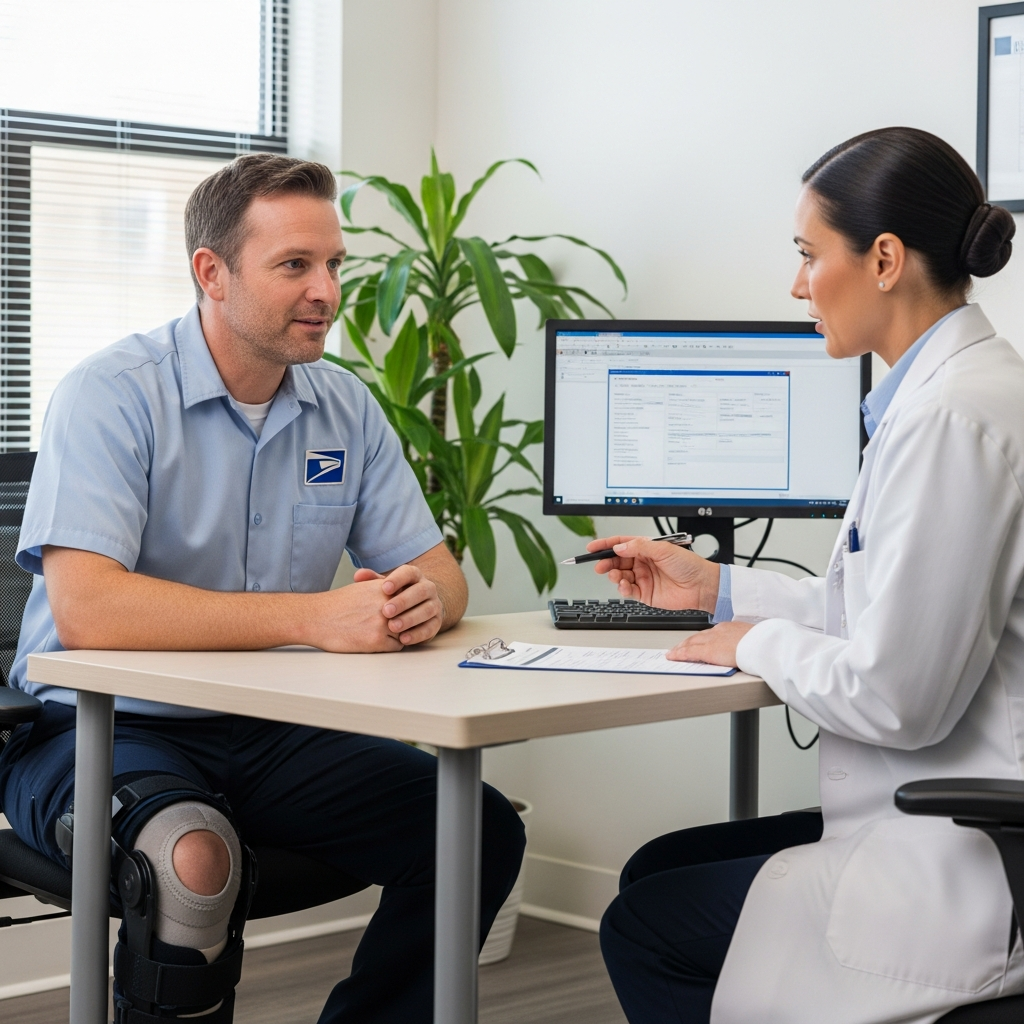
How a DOL Clinic Helps Federal Workers Recover In Brooklyn

The alarm goes off at 5:30 AM, and already your back is screaming. You haven’t even gotten out of bed yet, but that familiar ache – the one that started three months ago when you were moving those heavy case files in the federal building – is already making itself known. You’re a dedicated federal worker, someone who’s spent years serving the public, but lately? Lately, you feel like your body is betraying you.
Sound familiar?
If you’re nodding along (carefully, because sudden movements hurt), you’re not alone. Federal workers in Brooklyn face a unique set of challenges when it comes to workplace injuries. You’ve got demanding schedules, limited time off, and – let’s be honest – the maze of federal workers’ compensation can feel more complicated than the tax code.
Here’s what really gets me fired up about this situation… You spend your days helping others, whether you’re processing benefits, ensuring public safety, or keeping government operations running smoothly. But when *you* need help – when that repetitive strain injury flares up or that slip on the courthouse steps leaves you with chronic pain – suddenly you’re drowning in paperwork and waiting weeks for approval for basic medical care.
The Federal Employees’ Compensation Act (FECA) is supposed to protect you. It’s designed to ensure federal workers get the medical attention they need after workplace injuries. But – and this is a big but – knowing you’re covered and actually *getting* effective treatment are two very different things.
That’s where DOL clinics come in, and specifically, why finding the right one in Brooklyn can be the difference between months of bureaucratic frustration and actually getting your life back.
I’ve been writing about workplace injury recovery for years, and I’ve seen too many federal employees get stuck in this limbo. They’re approved for treatment, sure, but they end up bouncing between providers who don’t understand the federal system, dealing with endless authorization delays, or – worst of all – receiving cookie-cutter treatment that doesn’t address their specific needs.
Brooklyn federal workers, you’ve got options you might not even know about.
A properly managed DOL clinic doesn’t just check boxes on your FECA claim. It becomes your advocate in a system that can feel designed to wear you down. These clinics understand that when you’re hurt, you’re not just dealing with physical pain – you’re worried about your career, your financial stability, your ability to do the job you’ve dedicated years to mastering.
Think about it this way: when your computer crashes at work, you don’t call just any tech support, right? You call the IT team that knows your specific systems, your security requirements, your particular setup. Same principle applies to your body. When you’re injured on the job as a federal employee, you want medical professionals who speak the language of FECA, who understand the unique demands of federal work, and who know how to navigate the system efficiently.
Here’s what I find really encouraging – and what I want you to walk away understanding today: recovery from workplace injuries isn’t just about treating symptoms. The best DOL clinics in Brooklyn take a comprehensive approach. They’re looking at your whole situation… your work environment, your daily responsibilities, your long-term career goals. They’re not just putting a band-aid on your pain; they’re developing a strategy to get you back to full function.
Throughout this article, we’re going to explore exactly how a quality DOL clinic operates, what you should expect from your first visit (spoiler alert: it should feel like a relief, not another bureaucratic hurdle), and – most importantly – how to identify the red flags that signal you might be dealing with a clinic that’s more interested in processing claims than actually helping you heal.
We’ll also talk about something that doesn’t get discussed enough: the emotional toll of workplace injuries and how the right medical team addresses not just your physical recovery, but your confidence in returning to work. Because let’s face it – if you’re worried about re-injury every time you reach for a file or climb a set of stairs, you’re not really recovered, are you?
Your dedication to public service shouldn’t come at the cost of your health and wellbeing. Let’s explore how the right DOL clinic can help you prove that.
What Makes Federal Workers Different (And Why It Matters)
You know how some jobs just… take more out of you? Federal work is one of those. Whether you’re processing claims at Social Security, working security at a federal building, or handling mail for the postal service – your body keeps score. And honestly, it’s not always fair.
Federal employees face this weird paradox. You’ve got some of the best job protections in the country, but when you get hurt on the job… well, that’s where things get complicated. The system that’s supposed to take care of you – the Department of Labor’s workers’ compensation program – can feel like navigating a maze blindfolded.
The DOL Difference: It’s Not Your Average Workers’ Comp
Here’s where it gets confusing (and trust me, even seasoned attorneys scratch their heads at this stuff). Most workers fall under state workers’ compensation systems. But federal employees? You’re in a completely different world – the Federal Employees’ Compensation Act, or FECA for short.
Think of it like this: if regular workers’ comp is like shopping at your neighborhood grocery store, FECA is like having to shop at a specialty store with different rules, different forms, and different people who speak in acronyms you’ve never heard before.
The good news? FECA benefits can actually be more comprehensive than state programs. The challenging news? Getting those benefits approved and maintained… that’s where a DOL clinic becomes your best friend.
Why Your Regular Doctor Might Not Cut It
This might sound harsh, but your family doctor – as wonderful as they are – probably knows about as much about FECA requirements as you know about performing brain surgery. And that’s not their fault! Medical schools don’t exactly have courses on “How to Document Injuries for Federal Workers’ Compensation.”
A DOL clinic, though? They speak this language fluently. They know that when you hurt your back lifting mail bags, the documentation needs to be incredibly specific. Not just “patient has back pain” but detailed explanations of how your work duties contributed to your condition, what functional limitations you’re experiencing, and – this is crucial – how those limitations prevent you from performing your regular job duties.
It’s like the difference between having a translator who knows a few phrases versus one who’s actually fluent in the culture.
The Brooklyn Advantage: Location, Location, Understanding
Working in Brooklyn as a federal employee means you’re dealing with unique challenges. Maybe you’re commuting long distances to work sites, dealing with older federal buildings that aren’t exactly ergonomically designed, or handling the physical demands of urban federal operations.
A DOL clinic in Brooklyn gets this. They understand that your carpal tunnel isn’t just from typing – it’s from processing hundreds of forms daily in a cramped workspace. They know that your knee problems aren’t just age-related wear and tear – they’re from years of walking concrete floors in federal facilities.
The Paperwork Nightmare (And How DOL Clinics Navigate It)
Let’s be real about something – FECA paperwork is nobody’s idea of fun. There’s Form CA-1 for traumatic injuries, CA-2 for occupational diseases, CA-16 for medical treatment… it’s enough to make your head spin.
But here’s what’s really frustrating: one small mistake on these forms can delay your benefits for months. Miss a deadline? Your claim could be denied entirely. It’s like playing a high-stakes game where nobody explained the rules clearly.
DOL clinics don’t just treat your injury – they become your advocates in this bureaucratic maze. They know which boxes to check, what language FECA examiners want to see, and how to present your case in a way that makes approval more likely.
The Recovery Reality Check
Here’s something that might surprise you: recovery in the federal system isn’t just about getting better physically. It’s about getting better in a way that’s documented, measurable, and – frankly – defensible to government reviewers who’ve never met you.
Your improvement needs to be tracked with objective measures. Your limitations need to be clearly defined. Your work capacity needs to be evaluated not just in terms of “can you lift 20 pounds?” but “can you perform the essential functions of your specific federal position?”
It’s… a lot. Actually, it’s more than a lot – it’s overwhelming. And that’s exactly why DOL clinics exist. They understand that your recovery isn’t just a medical process – it’s an administrative one too.
Getting the Most Out of Your DOL Clinic Experience
Look, I’m going to be straight with you – navigating a DOL clinic visit isn’t like your regular doctor’s appointment. You’ve got paperwork coming out of your ears, and honestly? Most federal workers I’ve worked with feel overwhelmed before they even walk through the door.
Here’s what you need to know: bring everything. I mean everything. That incident report you filed three months ago? Bring it. Those text messages you sent your supervisor about your back pain? Screenshot them. Your personal medical records from before the injury? Critical. Think of yourself as building a legal case – because in many ways, you are.
The intake process can take up to two hours (nobody warns you about this), so clear your afternoon. Don’t schedule that important call right after. Trust me on this one.
Working Smart with Your Treatment Team
Here’s something most people don’t realize – your DOL clinic team includes way more than just your doctor. You’ve got case managers, physical therapists, occupational specialists, and sometimes vocational counselors. Each one holds a piece of your recovery puzzle.
Your case manager? They’re your secret weapon. Build a relationship with them. They know which specialists have the shortest wait times, which forms absolutely must be filed by specific deadlines, and how to fast-track certain approvals. I’ve seen federal workers cut their recovery timeline in half just by staying in regular contact with their case manager.
Physical therapy appointments get booked weeks out, but here’s an insider tip: ask about cancellation lists. Most clinics have last-minute openings almost daily. Be flexible with your schedule, and you might get in next Tuesday instead of next month.
Maximizing Your Appointments (Because Time is Everything)
Every visit counts – literally. Your treatment authorization has limits, and you don’t want to waste sessions on administrative delays or miscommunication.
Prepare like you’re giving a presentation. Write down your symptoms, rate your pain levels daily for a week before your visit, note what makes things better or worse. Be specific. “My back hurts” tells them nothing. “Sharp pain in my lower left back that shoots down to my knee, especially when I sit for more than 30 minutes” – now we’re talking.
Ask questions. Lots of them. What’s the treatment plan? How many sessions are we talking about? What should I expect next week versus next month? Will this require additional paperwork? Your doctors see dozens of patients weekly; you need to advocate for clarity about your specific situation.
The Paperwork Game (And How to Win It)
Here’s what nobody tells you about DOL claims – the paperwork never stops. Ever. You’ll get forms that reference other forms you’ve never seen. You’ll need signatures from doctors who’ve moved practices. It’s… a lot.
Set up a dedicated email folder and physical file system from day one. Label everything with dates. Make copies before you submit anything – and I mean anything. The number of federal workers I’ve met who lost weeks of progress because original documents went missing is honestly depressing.
For recurring forms (like those monthly treatment reports), take photos of completed examples. Next time, you’ll have a template for what information goes where. Sounds basic, but you’d be amazed how much time this saves.
Building Your Support Network Beyond the Clinic
Your coworkers who’ve been through this process? They’re goldmines of information. Find them. Buy them coffee. Ask about their experiences – which doctors they loved, which administrative staff were helpful, what surprised them about the process.
Join online forums for federal employees dealing with workplace injuries. The Facebook groups alone… these people share everything from specific doctor recommendations to which forms you can submit electronically versus which ones absolutely must be mailed.
Your union representative (if you have one) should be your first call, not your last resort. They’ve seen every possible complication and know exactly which fights are worth having and which ones will just drain your energy.
Setting Realistic Recovery Expectations
Recovery isn’t linear – and honestly, that’s the hardest part for most federal workers to accept. You’ll have good days that make you think you’re almost back to normal, followed by setbacks that feel devastating.
Plan for the long game. Your position might be held for 12 months, but full recovery could take longer. Start those conversations with HR early. Understand your options for modified duties, telework arrangements, or alternative positions before you need them.
The goal isn’t just getting back to work – it’s getting back to sustainable work that doesn’t re-injure you.
When Your Body Doesn’t Bounce Back Like It Used To
Here’s something they don’t tell you in those workplace safety videos – recovering from a work injury isn’t just about healing the physical damage. It’s about wrestling with the frustrating reality that your 45-year-old body doesn’t repair itself like it did when you were 25.
Federal workers often hit this wall hard. You’re dealing with repetitive stress injuries from decades of desk work, back problems from lifting postal bins, or that knee injury from a slip on courthouse stairs that just… won’t… heal. Meanwhile, you’re watching younger colleagues bounce back from similar injuries in weeks while you’re still hobbling around months later.
The honest truth? Your metabolism has slowed down, your muscle mass isn’t what it was, and those extra pounds you’ve been carrying aren’t doing your recovery any favors. A DOL clinic gets this. They’re not going to lecture you about eating kale and doing CrossFit – they understand you need practical solutions that work with your federal schedule and your real life.
The Insurance Maze That Makes You Want to Scream
Let’s talk about the elephant in the room – navigating OWCP claims while you’re in pain and trying to figure out which doctors you can actually see. It’s like trying to solve a Rubik’s cube while wearing oven mitts.
You’ve got forms that need specific language, doctors who may or may not understand federal workers’ compensation, and treatment approvals that seem to take forever. Meanwhile, you’re sitting there wondering if that physical therapy is even covered, or if you’ll get stuck with a massive bill.
A good DOL clinic has people who speak fluent bureaucracy. They know exactly how to document your treatment in ways that OWCP actually understands and approves. They’ve dealt with thousands of federal cases – they know which forms need which boxes checked, what language gets approvals, and how to fast-track legitimate treatments.
More importantly, they handle the paperwork headaches so you can focus on getting better instead of becoming a part-time insurance claims specialist.
When Work Modifications Feel Like Career Suicide
Here’s a fear that keeps a lot of federal workers up at night – what happens to your career when you need accommodations? Will requesting light duty mark you as a problem employee? Will you get passed over for promotions? Will your colleagues start seeing you as dead weight?
These aren’t silly concerns. In some federal workplaces, there’s still an outdated mentality that real workers tough it out. Asking for help can feel like admitting weakness, especially in more traditional agencies.
But here’s what experienced DOL clinics have learned from working with thousands of federal employees – most successful recoveries happen when people get appropriate modifications early, not when they tough it out until they’re completely broken down.
A specialized clinic can help you navigate this delicate balance. They understand federal workplace culture and can recommend modifications that actually protect your long-term career prospects. Sometimes it’s about timing – getting you stabilized first, then gradually returning to full duties. Other times it’s about finding creative solutions that meet your medical needs without screaming “accommodation” to your supervisor.
The Weight Problem Nobody Talks About
Okay, let’s address something that often gets swept under the rug – work injuries and weight gain go together like… well, like sitting all day and expanding waistlines.
You’re less active because of pain. You’re stressed about your injury and compensation claims. You’re possibly on medications that affect your metabolism. And you’re dealing with the emotional toll of feeling like your body has betrayed you. Of course you’ve gained weight.
But here’s the vicious cycle – extra weight makes recovery harder, puts more stress on injured areas, and can complicate your return to full duties. It’s frustrating, and frankly, a bit unfair.
A comprehensive DOL clinic addresses this head-on, not with judgment but with practical strategies. They might connect you with medical weight management programs, suggest modifications to your treatment plan that account for your current fitness level, or help you find activities you can do safely while recovering.
The key is treating weight management as part of your recovery plan, not something to tackle “after you’re better.” Because honestly? Managing your weight often speeds up the getting better part.
Making Peace with a New Normal
Sometimes – and this is hard to accept – full recovery means learning to work with limitations rather than pretending they don’t exist. That doesn’t mean giving up or accepting less than you deserve. It means being smart about managing your career and your health for the long haul.
Setting Realistic Expectations for Your Recovery
Let’s be honest about something – recovery doesn’t happen overnight, and anyone who tells you it will is probably trying to sell you something. When you’re dealing with a work-related injury as a federal employee, the timeline can feel frustratingly slow… but there’s a reason for that.
Your body needs time to heal properly. I know that’s not what you want to hear when you’re dealing with pain and missing work, but rushing back too soon often means you’ll be right back where you started – or worse. Most of our patients see initial improvements within 2-4 weeks of starting treatment, but significant recovery? That typically takes 8-12 weeks for most injuries. Some complex cases need longer.
The thing is, your injury didn’t happen in a day (well, maybe it did, but your body’s response to it certainly didn’t), so fixing it won’t happen in a day either. Think of it like renovating a house – you can slap some paint over the cracks, but if you don’t fix the foundation first, those cracks will be back with a vengeance.
What “Normal” Progress Actually Looks Like
Here’s what you can realistically expect during your recovery: it won’t be a straight line. You know those stock market charts that show steady growth over time but have all those little dips and peaks? That’s your recovery journey.
You might have a great week where you’re feeling optimistic, followed by a rough couple of days that make you wonder if you’re getting better at all. That’s completely normal – your DOL clinic team has seen it thousands of times before.
In the first few weeks, you’re likely to experience some soreness after treatments. Actually, this often means the therapy is working, breaking up scar tissue and getting your body moving properly again. But don’t worry – your therapist will walk you through what to expect and when to be concerned versus when to just ride it out.
Most patients notice sleep improvements first (which is huge, because pain and poor sleep create this vicious cycle). Then comes increased range of motion, followed by strength gains. Pain reduction often comes last – and that’s actually a good thing, because it means your body is truly healing, not just masking symptoms.
Your Next Steps After the Initial Evaluation
Once you’ve completed that first comprehensive evaluation we talked about earlier, your DOL clinic team will map out a specific treatment plan. This isn’t a cookie-cutter approach – they’re designing something specifically for your injury, your job demands, and your recovery goals.
You’ll typically start with 2-3 treatment sessions per week. I know that sounds like a lot when you’re already juggling work (if you’re able) and DOL paperwork, but consistency is absolutely crucial in those early weeks. Think of it like taking antibiotics – skipping doses doesn’t just slow your progress, it can actually set you back.
Your therapist will also give you homework. Yes, exercises to do at home. And yes, they actually matter, even though they might seem ridiculously simple at first. These aren’t just busy work – they’re specifically chosen to reinforce what you’re doing in the clinic and keep your progress moving between sessions.
Staying Connected with Your Case Manager
Here’s something that trips up a lot of federal workers: you can’t just disappear into treatment and resurface when you’re better. Your DOL case manager needs regular updates, and your clinic will help coordinate this, but you need to stay in the loop too.
Expect to have periodic conversations about your progress, any work restrictions, and timeline adjustments. Sometimes cases take longer than initially expected – that’s not failure, that’s just how bodies work. Other times, you might progress faster than anticipated (lucky you!).
The key is maintaining open communication. If something isn’t working, speak up. If you’re having trouble with appointments or exercises, let your team know. They’ve literally seen it all before and can usually find solutions you haven’t thought of.
Remember, this whole process exists because federal workers deserve proper care when they’re injured on the job. You’re not asking for a favor – you’re using a system designed specifically for situations like yours. Take advantage of it, be patient with the process, and trust that your DOL clinic team knows how to get you back to where you need to be.
You know what strikes me most about federal workers dealing with workplace injuries? It’s not just the physical pain – though that’s real enough. It’s that feeling of being caught between worlds. You’re serving your country, doing important work, and then suddenly you’re navigating this maze of paperwork, medical appointments, and uncertainty about your future.
But here’s the thing… you don’t have to figure this out alone.
The beauty of working with a clinic that truly understands the federal system is that they get it. They know that your injury isn’t just about getting back to any job – it’s about getting back to *your* job, the one where you make a difference. Whether you’re processing veterans’ benefits, ensuring airport security, or keeping our postal system running, your work matters. And so does your recovery.
I’ve seen too many federal workers try to push through injuries, thinking they’re being tough or dedicated. Actually, that reminds me of something a patient told me once – she said she felt guilty taking time to heal because she knew her team was short-staffed. But here’s what I told her, and what I’ll tell you: taking care of your injury properly isn’t selfish. It’s smart.
When you work with professionals who know the DOL system inside and out, everything changes. Suddenly, those confusing forms make sense. The treatment plan aligns with what you actually need to get back to work – not just what sounds good on paper. You’re not just another patient; you’re someone whose career and wellbeing both matter.
And let’s be honest about Brooklyn for a second – this borough knows something about resilience, right? It’s got that perfect mix of grit and community support. Finding a clinic here that combines that Brooklyn spirit with real expertise in federal workers’ compensation… well, that’s pretty special.
The recovery process isn’t always linear. Some days you’ll feel like you’re making great progress, other days might feel like setbacks. That’s normal – even expected. What matters is having a team in your corner who understands not just your injury, but your job, your benefits, and what it takes to get you back where you belong.
You’ve spent your career taking care of others, serving the public, handling responsibilities that most people never even think about. Now it’s time to let someone take care of you for a change.
If you’re dealing with a workplace injury as a federal employee, don’t wait for it to get worse. Don’t try to tough it out alone. Brooklyn has resources specifically designed for people like you – people who understand duty, service, and the importance of getting things done right.
Ready to start your recovery with people who truly understand federal workers? Give us a call. We’re here to answer your questions, explain your options, and help you navigate this process with the expertise and care you deserve. Because your service matters, your health matters, and your future matters too.
You’ve got this – and we’ve got your back.